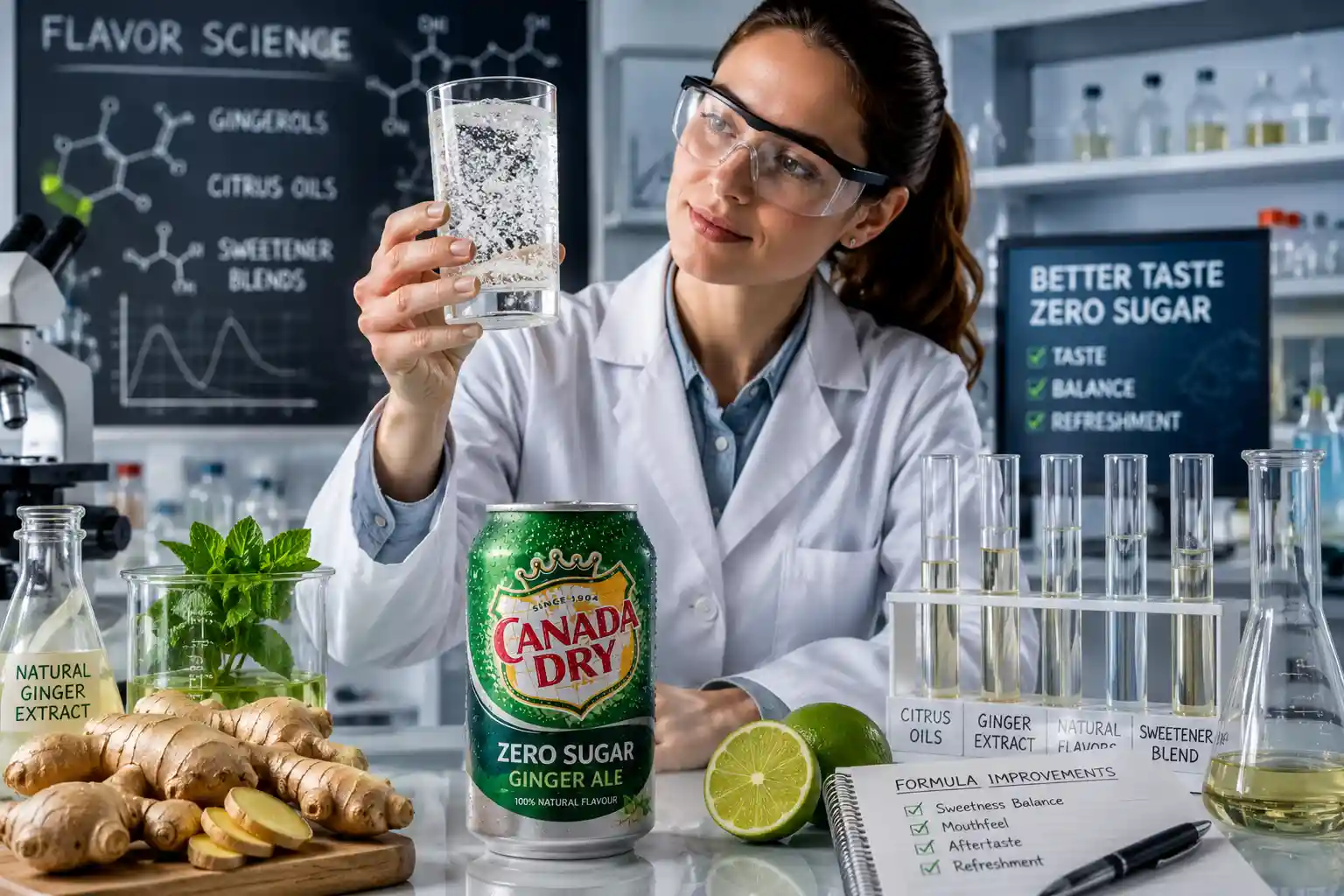
Toronto, ON, Canada - For years, "diet" soft drinks carried a reputation they simply couldn't shake.
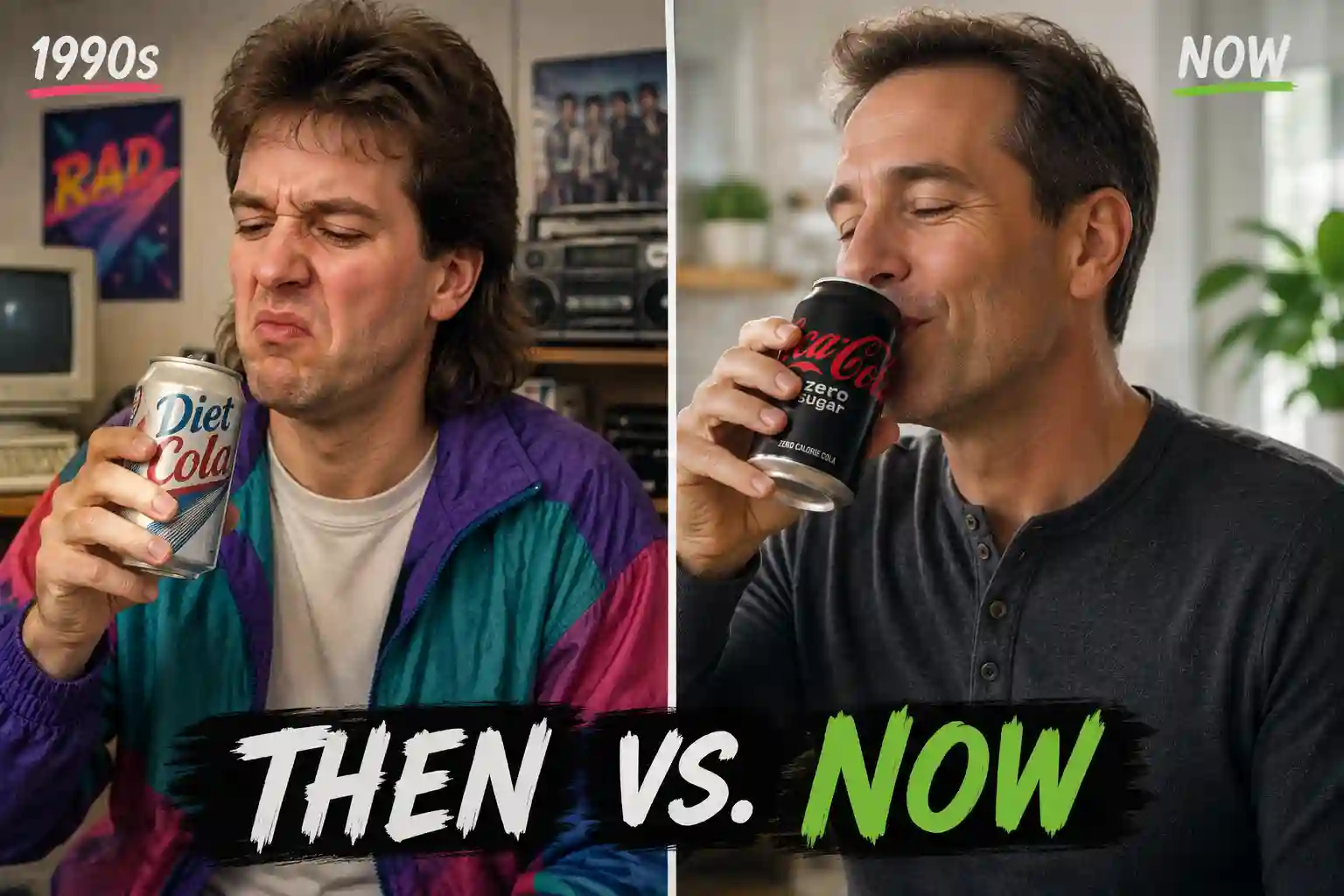
Whether it was the metallic aftertaste, the lingering sweetness or the unmistakable "diet" flavour, millions of consumers could identify a sugar-free beverage after just one sip. Regular soft drinks remained the gold standard, while diet versions were often viewed as compromises for people trying to cut calories or sugar.
That perception is beginning to change.
Today, many consumers are finding themselves reaching for zero-sugar versions not because they feel they should—but because they genuinely prefer the taste.
From Compromise to Choice
The transformation didn't happen overnight.
Instead, beverage companies spent more than a decade refining nearly every aspect of their sugar-free products.
Rather than relying on a single artificial sweetener, manufacturers now carefully blend multiple sweeteners to better replicate the sweetness profile of real sugar while minimizing unpleasant aftertastes. Improvements to flavour chemistry, acidity, carbonation and aroma have all helped narrow the gap between regular and zero-sugar drinks.
The result is a generation of beverages that taste remarkably similar to their full-sugar counterparts.
Ginger Ale Shows the Difference
Few examples illustrate the progress better than Canada Dry Zero Sugar Ginger Ale.
Unlike many older diet soft drinks, the zero-sugar version retains the crisp ginger bite and refreshing finish that made the original so popular. The ginger itself helps mask any remaining sweetener notes, while the lighter flavour profile avoids the heavy syrupy character that was once difficult to reproduce without sugar.
Many consumers now report that they have little or no desire to return to the regular version.
The Science of Changing Taste
Part of the story isn't just what's inside the can—it's inside our brains.
Researchers have long known that taste preferences adapt over time. Someone who regularly drinks beverages containing large amounts of sugar becomes accustomed to that level of sweetness.
Conversely, people who switch to zero-sugar drinks often experience the opposite effect.
After several weeks or months, beverages made with real sugar can begin to taste unusually sweet or even overpowering, while zero-sugar drinks start to feel perfectly normal.
What once seemed like a compromise becomes the preferred option.
A New Generation of Consumers
The market itself has also evolved.
Earlier generations largely associated diet drinks with weight loss. Today's consumers are often choosing zero-sugar beverages simply because they want to reduce sugar intake while still enjoying soft drinks.
That broader audience has pushed beverage companies to invest heavily in improving taste instead of merely offering a lower-calorie alternative.
Competition between major brands has accelerated those improvements, with each reformulation bringing sugar-free products closer to the originals.
The Future of Soft Drinks
The distinction between regular and zero-sugar beverages continues to shrink.
While some consumers will always prefer the taste and mouthfeel of sugar, many now struggle to tell the difference, particularly when drinks are served cold.
The evolution of sugar-free soft drinks may not have been driven by a single scientific breakthrough, but by years of incremental improvements in sweetener technology, flavour engineering and consumer research.
It's one of the quieter success stories in the food and beverage industry.
After decades of hearing people say, "It tastes like diet," an increasing number are now saying something quite different:
"It just tastes like pop."