Riyadh, Saudi Arabia - Saudi Arabia spent decades building an escape route for the day when oil could no longer move safely through the Strait of Hormuz. That day arrived in 2026. Now the kingdom is discovering that its alternative route toward the Red Sea can be threatened too.
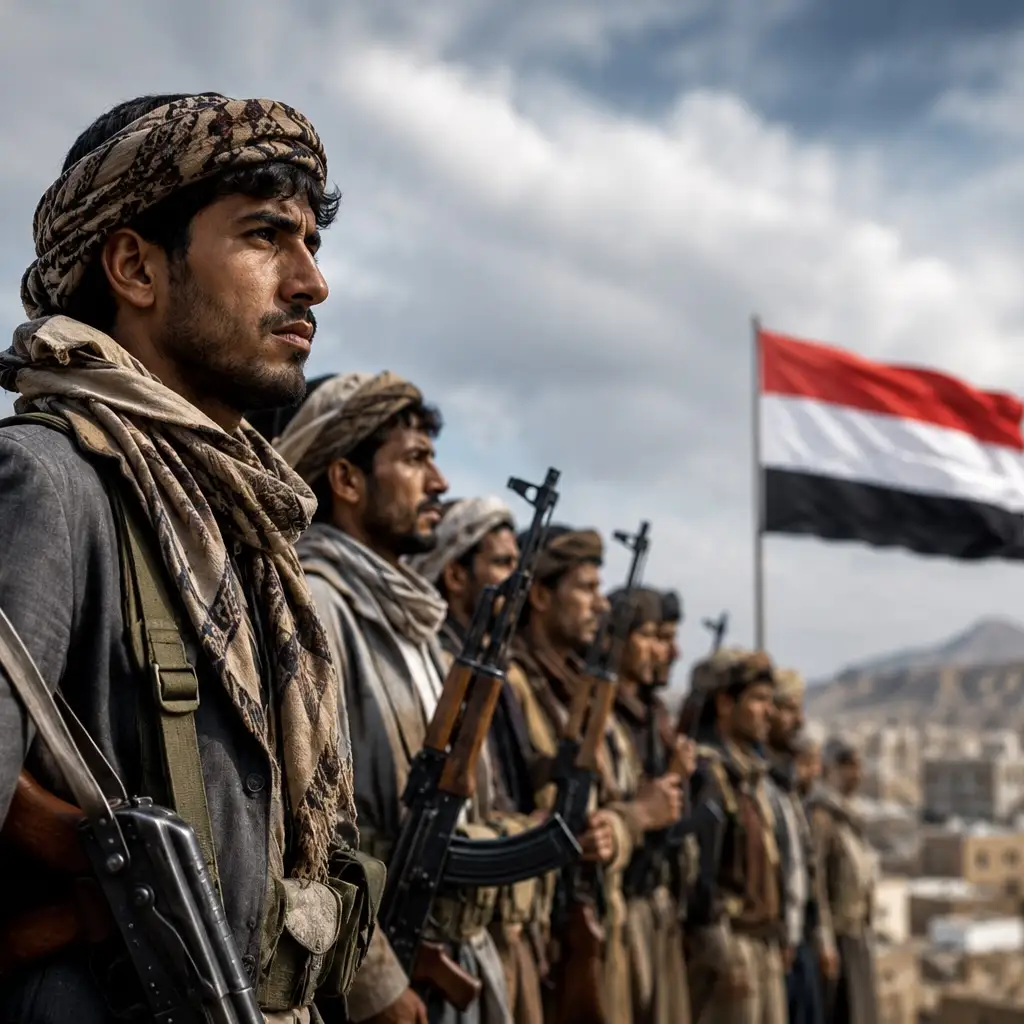
The immediate danger comes from two directions. Iran’s war with the United States and Israel has repeatedly disrupted shipping through Hormuz, the narrow passage on Saudi Arabia’s eastern flank. To the southwest, Yemen’s Houthi movement has captured new territory along the Red Sea coast, including the port of Mocha and strategically important islands near the Bab el-Mandeb Strait.
Together, these developments have exposed a scenario Saudi planners have long feared: pressure on both of the maritime gateways connecting the kingdom’s oil industry to world markets.
In September, Houthi forces pushed rapidly through positions held by Yemen’s internationally recognized government. Reuters reported that the group reached Perim Island in the middle of the Bab el-Mandeb Strait after capturing Mocha. The Houthis also took the Greater and Lesser Hanish islands farther north in the Red Sea.
Control of those positions does not automatically give the Houthis the ability to close the strait completely. It does, however, give them a stronger platform from which to monitor, threaten, or attack vessels passing through one of the world’s most important shipping lanes.
The Houthis have said their maritime campaign is aimed at Saudi-linked shipping. Even a limited threat can have wider consequences. Shipowners, insurers, and energy traders price risk before a waterway is physically closed. Higher insurance premiums, delayed sailings, military escorts, and rerouting can all constrict trade without a formal blockade.
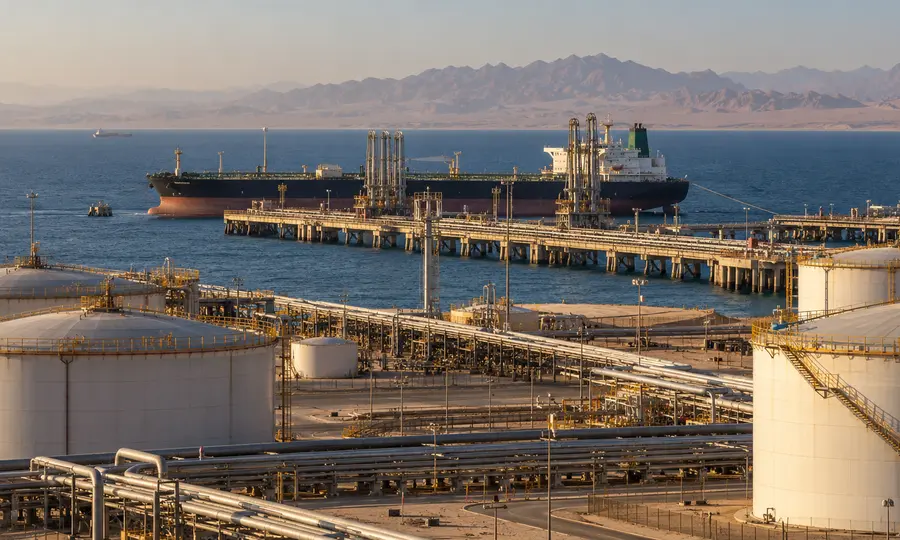
The kingdom’s main defence against a Hormuz crisis is the East–West crude oil pipeline, also known as Petroline. The roughly 1,200-kilometre system carries crude from the oil-producing east to Yanbu on the Red Sea coast.
For most of its history, the pipeline functioned as strategic insurance rather than Saudi Arabia’s primary export route. That changed after the 2026 war with Iran disrupted traffic through Hormuz. Riyadh sharply increased the amount of crude moving westward toward Yanbu, making the Red Sea route an economic lifeline.
That lifeline was then struck. In September, drone attacks that Saudi authorities said originated from Iran-aligned groups in Iraq damaged pumping infrastructure and forced a temporary pipeline shutdown. The system later resumed operations, but the attack demonstrated that bypassing Hormuz does not eliminate risk; it merely transfers that risk to a long stretch of exposed infrastructure and another contested sea lane.
The darkest version of this story—that Saudi Arabia has been effectively landlocked and can no longer export oil—is not supported by the latest shipping data.
By the end of September, crude flows through Hormuz had recovered substantially as regional producers developed workarounds, restored some routes, and used ship-to-ship transfers. Saudi exports through the East–West pipeline also resumed after repairs. The kingdom remains capable of moving significant volumes of oil.
But recovery is not the same as security. Saudi Arabia is now more dependent on a collection of costly and vulnerable routes. Tankers linked to the kingdom face sharply higher war-risk premiums in the Red Sea, while renewed attacks could again interrupt either the pipeline or loading operations at Yanbu.
The Houthis, formally known as Ansar Allah, emerged from northern Yemen and seized the capital, Sanaa, in 2014. Saudi Arabia intervened militarily the following year in support of Yemen’s recognized government, but years of airstrikes and blockade failed to remove the movement from power.
A UN-mediated truce in 2022 reduced large-scale fighting without producing a permanent settlement. During the uneasy pause, the Houthis strengthened their military position and expanded the missile and drone capabilities that had already allowed them to strike Saudi infrastructure and international shipping.
Their latest advance builds leverage at precisely the moment Saudi Arabia is most vulnerable. Riyadh needs dependable Red Sea access while Hormuz remains unstable. The Houthis need concessions involving Yemen’s blockade, salaries, political power, and reconstruction. Geography has given them a powerful negotiating instrument.
Saudi Crown Prince Mohammed bin Salman reportedly asked US President Donald Trump to authorize strikes against the advancing Houthis. Washington declined direct military intervention, although intelligence and targeting support remained available.
The American decision reflects a broader strategic problem. US forces are already committed across the Middle East, while the administration is trying to contain its confrontation with Iran and avoid another open-ended campaign in Yemen. The Houthis have also signalled that they intend to distinguish between Saudi targets and American shipping, giving Washington an incentive to stay out.
For Riyadh, the refusal is a warning. Saudi Arabia has spent heavily on its military and cultivated partnerships with the United States and other regional powers, yet it could still find itself carrying the immediate burden of the Yemen conflict largely on its own.
Saudi Arabia’s problem is not simply whether a tanker can leave port tomorrow. It is whether the kingdom can maintain reliable, affordable export routes over months of regional conflict.
Every pipeline interruption, missile launch, insurance increase, and Houthi territorial gain raises the cost of keeping Saudi crude on the market. Those pressures also affect the government’s finances because oil revenue remains central to the Saudi budget and to the ambitious domestic projects associated with Crown Prince Mohammed bin Salman.
The Houthis do not need to defeat Saudi Arabia in a conventional war to apply serious pressure. They need only to sustain uncertainty around the Red Sea while Iran keeps Hormuz unstable. Saudi Arabia, meanwhile, must defend a pipeline hundreds of kilometres long, protect Yanbu, secure shipping through Bab el-Mandeb, and preserve enough confidence to keep tankers and insurers operating.
Saudi Arabia is not cut off from the world’s oil market, and claims of a total export collapse go beyond the available evidence. Yet the strategic warning is unmistakable.
The kingdom built the East–West pipeline to escape dependence on one maritime chokepoint. The Houthi advance has shown that the alternative terminates near another. With pressure building at both Hormuz and Bab el-Mandeb, Saudi Arabia’s oil network is no longer protected by geography. It is caught between two increasingly dangerous gateways.