Frank Abagnale’s story came with its own built-in defence: of course it sounded unbelievable. That was supposed to be the point.
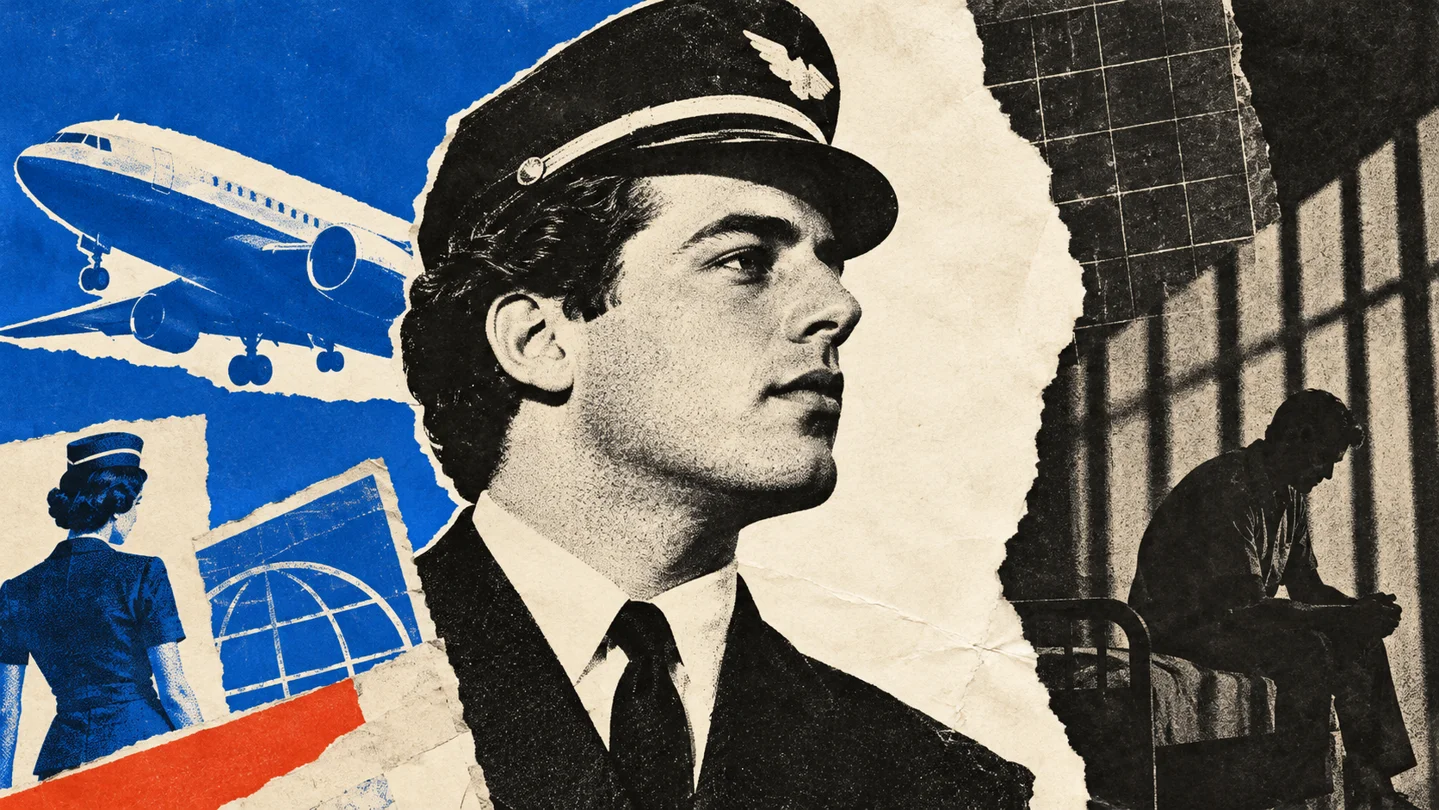
A teenager slips into a pilot’s uniform, moves between professions and countries, passes bad cheques and keeps the authorities guessing. Eventually, the hunted becomes the helper. The confidence man gets a second act, and the audience gets a reason to applaud.
It is a magnificent story. The harder question is how much of it survives outside the telling.
Investigations by author Alan C. Logan and journalist Javier Leiva have challenged major elements of the account behind Catch Me If You Can. Their work draws attention away from the glamorous disguises and towards something much less cinematic: prison records, court documents, old reporting and people who remember the consequences.
The legend gets a Hollywood face
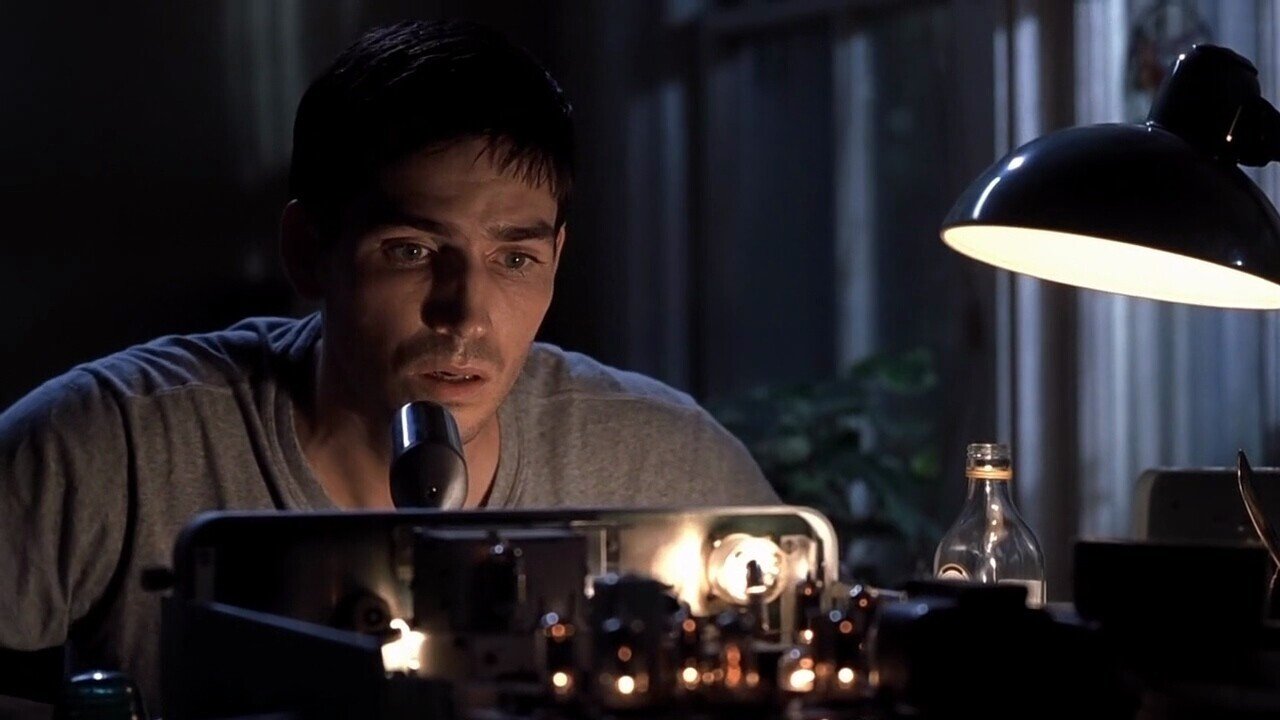
Steven Spielberg’s 2002 film, starring Leonardo DiCaprio and Tom Hanks, adapted the book credited to Abagnale with Stan Redding. It turned the young impostor’s supposed adventures into an elegant pursuit, with wit, speed and a surprisingly tender centre.
A film can compress events, combine characters and invent dialogue. Audiences understand that. But there is a larger difference between changing how an event happened and discovering that the underlying claim itself is disputed.
Once a famous actor supplies the face, the distinction becomes harder to hold. People remember the airport, the uniform and the chase. A later correction has to compete with a scene they can practically replay.
That is why this is a story about more than a movie taking liberties. It is about the confidence that builds when the same biography arrives in several respectable-looking packages.
The dates are the difficult part
Logan’s 2020 book, The Greatest Hoax on Earth: Catching Truth, While We Can, challenged the scale and chronology of Abagnale’s celebrated criminal career. Leiva’s PRETEND investigation subsequently examined the story through court, military and prison records.
PRETEND reports that Abagnale was incarcerated for much of the period in which his account placed him conducting elaborate teenage impersonations. Its investigation also describes real pilot impersonation and cheque fraud, but on a substantially smaller scale than the international legend.
Those findings deserve attribution: they are the investigators’ conclusions from the records they examined. They are also more substantial than the observation that a film scene looks far-fetched.
A prison record presents a different sort of problem from a faulty recollection. If the central character was confined during the supposed adventure, the chronology needs an explanation. Charm cannot reconcile two places on the same date.
A professor, or something rather smaller?
One revealing example predates Logan’s book by years. In a 2006 KSL investigation, reporter Scott Haws examined Abagnale’s claim of teaching sociology at Brigham Young University.
BYU said it could find no record of him in the role. Asked about it, Abagnale described a much smaller involvement: a couple of weeks helping with a summer course, closer to a teacher’s aide. He maintained that he had been there and said Redding had exaggerated parts of the story.
KSL included an important qualification: the university acknowledged that an informal guest lecturer or aide might leave no record. That keeps the conclusion precise. A missing record does not disprove every possible visit; it does challenge the grander professor narrative.
The people outside the caper
The most uncomfortable counterweight to the legend is not a technicality. It is the presence of ordinary victims.
In WHYY’s 2021 reporting, Logan described Abagnale gaining the trust of flight attendant Paula Parks’ parents, staying in their home and stealing their cheques. That account challenges the reassuring idea that his fraud chiefly hurt large, faceless institutions.
On screen, a scam can become a clever manoeuvre between colourful characters. In somebody’s home, it can leave a family wondering who else deserves a key. The glamour depends partly on where the camera stops looking.
The doubts were there before Google
The internet did not invent scepticism about Abagnale. WHYY recounts challenges from reporters Stephen Hall and Ira Perry in 1978, even as television appearances helped enlarge his audience.
That makes the story stranger. The problem was not simply that nobody checked. Some people did, but their findings did not acquire the reach or staying power of the entertaining version.
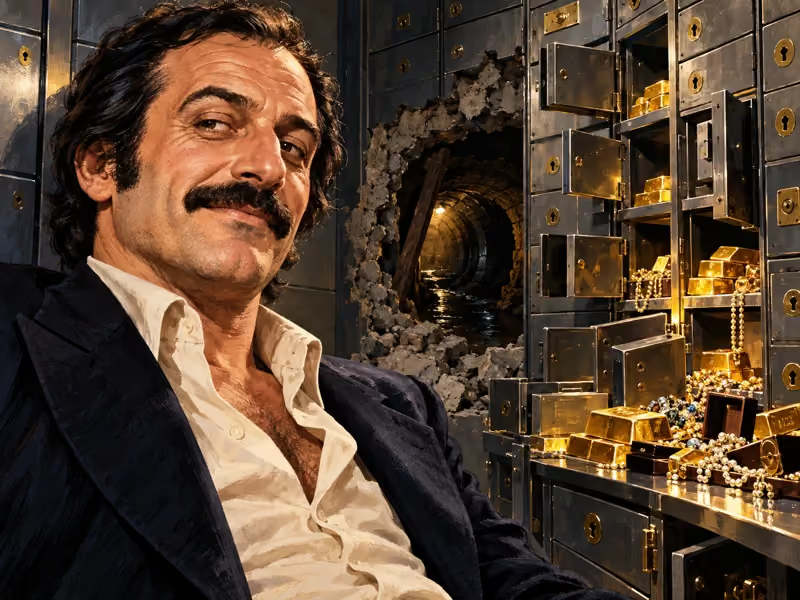
Our feature on the Nice bank heist and Albert Spaggiari explores another crime story that grew larger in the telling. The facts and the legend need separate attention, even when the legend makes better company.

Watch: Abagnale tells Johnny Carson
This archival Tonight Show clip shows Abagnale telling his story to Johnny Carson. It captures the appeal of the performance; the claims themselves should be read alongside the reporting above.
What Abagnale has said
Abagnale has resisted the broad challenge to his biography. WHYY sought his response to Logan’s work in 2021; he replied: “I have not read the book, nor do I think it is worthy of a comment.”
His later association with the FBI also needs careful wording. PRETEND disputes claims of a formal recruitment-and-employment history, while acknowledging guest-speaking appearances. Separately, the Reagan Presidential Library’s FBI exhibition page identifies him as an FBI consultant.
Neither fact settles the whole relationship. It would be misleading to turn questions about its nature and duration into a claim that he never had any FBI connection.
Watch: the case against the legend
The Maximus Aviation video below presents a forceful critique of Abagnale’s account. It is commentary, and some of its conclusions are broader than the distinctions made here. The linked reporting above provides the basis for this feature.
A good story still needs checking
You can enjoy Catch Me If You Can as a film and ask harder questions about the biography that helped sell it. Admiration for the storytelling does not require accepting every adventure as history.
The enduring lesson is about borrowed credibility. A uniform can make a stranger look trustworthy. So can a television introduction, a book jacket or a familiar Hollywood face. Each can lend authority to a claim without supplying the evidence for it.
Abagnale’s legend invites us to marvel at how easily people could be fooled. The investigations ask a less comfortable question: how carefully did the rest of us look?