Los Angeles, CA, USA - Los Angeles has seen plenty of strange political stories, but this one has moved past strange and into something more serious.
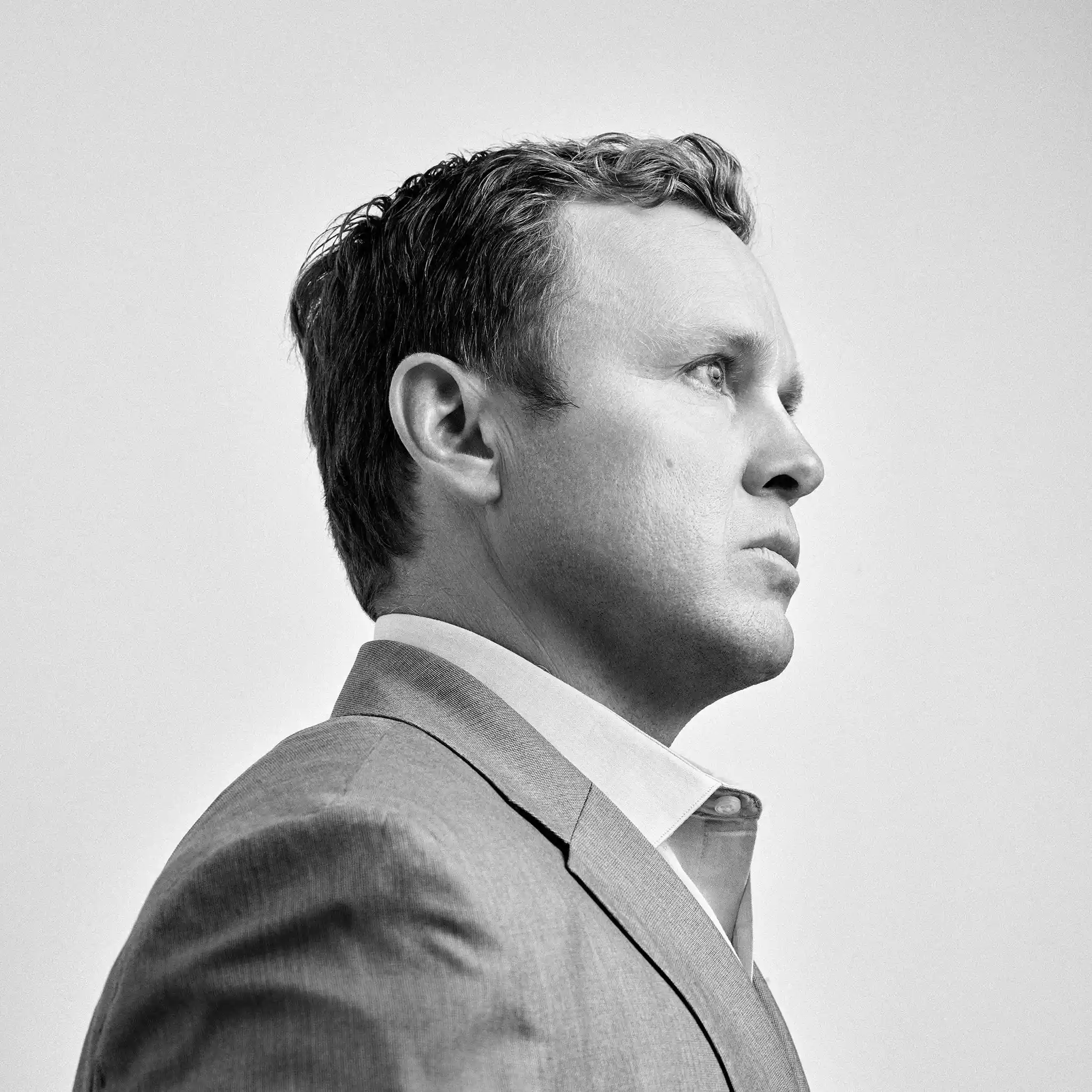
Spencer Pratt, the former reality television personality best known from The Hills, is now a real contender in the race to become mayor of Los Angeles. Not a curiosity. Not just a protest candidate. Not merely a celebrity name tossed into the political machine for attention.
A real contender.
Recent polling has incumbent mayor Karen Bass, city councilmember Nithya Raman, and Pratt packed tightly together heading into the June 2 primary. Bass remains slightly ahead, Raman is right behind her, and Pratt is close enough that nobody can honestly dismiss the possibility that he reaches the November runoff.
For Los Angeles, that would be a political earthquake.
They not like us pic.twitter.com/78hducHDUE
— Spencer Pratt (@spencerpratt) April 29, 2026
More Than a Celebrity Story
Pratt’s rise says less about reality television than it does about the current mood of the city.
This is a campaign built around frustration, anger, disorder, and the feeling that the people who were supposed to manage Los Angeles have not done the job.
Homelessness remains a central issue. Public safety remains a central issue. The condition of the streets remains a central issue. The fallout from the 2025 wildfire disaster remains a central issue.
And underneath all of that is a broader question that voters in many places are asking in different ways:
Are the experts still experts if everything keeps getting worse?
That is the opening Pratt has found.
A City Showing Signs of Exhaustion
Los Angeles is not just any city. It is one of the great symbolic cities of the world: entertainment, money, image, glamour, immigration, creativity, sunshine, and sprawling ambition.
But it is also a city increasingly associated with visible civic breakdown. Tent encampments, street disorder, housing pressure, political infighting, and a feeling that the basic machinery of urban life has become too expensive, too complicated, and too slow.
Into that environment walks Spencer Pratt.
In another era, the idea would have been laughed out of the room. A reality TV villain running for mayor of Los Angeles would have sounded like satire.
But satire has had a difficult time keeping up with reality over the last decade.
It's time to think bigger for LA. We don't have to accept the filth and the decline. We have the greatest slice of heaven on Earth with our city, and we deserve better. Vote for Pratt. Vote for LA. Vote TODAY. Let's clean this city together. pic.twitter.com/9Ry9p5Fv6F
— Spencer Pratt (@spencerpratt) May 24, 2026
The Outsider Formula
Pratt understands attention. That matters more than many traditional politicians want to admit.
He understands how to create a moment, how to use social media, how to provoke, and how to frame himself as the guy saying what others will not say.
Critics see that as unserious.
Supporters may see it as the point.
The professionals have had their turn.
That is the political energy behind this campaign.
Karen Bass is not a lightweight. She is an experienced political figure with deep connections and a long record in public office. Nithya Raman is not a lightweight either. She represents a more progressive, policy-driven lane, especially on housing and urban reform.
In a normal Los Angeles race, the story would probably be Bass versus Raman: establishment management versus progressive change.
But Pratt has scrambled that script.
Not Really About Republican vs Democrat
Pratt is often labeled as a Republican candidate, but Los Angeles mayoral elections are officially nonpartisan.
That distinction matters.
Los Angeles is still a deeply Democratic city. A straightforward Republican campaign would likely hit a hard ceiling quickly. But an outsider campaign built around disgust with City Hall, homelessness, crime, and disaster response can reach voters who might never think of themselves as Republicans.
That is why the Pratt campaign is politically interesting.
He is not simply trying to win over conservatives. There are not enough of them in Los Angeles to carry a mayoral race.
He is trying to assemble a frustration coalition:
Conservatives, independents, disillusioned Democrats, angry homeowners, wildfire victims, business owners, social media followers, and voters who may not love his background but are willing to use him as a blunt instrument against the status quo.
That is how political shocks happen.
They rarely begin with everyone agreeing that the outsider is qualified. They begin with voters deciding that the qualified people have failed.
Oh my God. This is GREAT.
— Juanita Broaddrick (@atensnut) May 6, 2026
SPENCER PRATT Campaign Ad for Mayor. pic.twitter.com/G81H6c0QJx
A Very Los Angeles Phenomenon
The campaign also fits Los Angeles in a strange way.
A celebrity candidate in a city built on celebrity.
A social media campaign in a city built on image.
A reality TV figure running in a political environment that often already feels scripted, produced, and performed.
Pratt may be more of a mirror than an accident.
Los Angeles has long blurred the line between entertainment and power. Movie stars, agents, producers, billionaires, influencers, activists, and political operators all move through the same ecosystem.
In that sense, Pratt’s candidacy is not completely foreign to the city. It is simply a more exaggerated version of something Los Angeles already understands.
🚨 SPENCER PRATT: "Thankfully, I married an angel who was very connected with Jesus and has brought me to the light." 🙏🏻
— Eric Daugherty (@EricLDaugh) May 30, 2026
"I was always not so bright in the light on the Lord's path here. And thankfully, my wife has always just been so connected with Jesus and God."
"It's been… pic.twitter.com/sA5xqpBhDY
The Obvious Risks
The danger for Pratt is obvious.
Running a campaign is not the same as running a city.
Los Angeles is massive, complicated, expensive, unionized, legally constrained, politically fragmented, and full of entrenched interests. Being angry about homelessness is not the same as building shelter systems, treatment systems, enforcement systems, housing systems, and budgets that actually work.
Viral attention does not fill potholes, manage departments, negotiate contracts, or rebuild burned neighborhoods.
That is the case against him.
But the case for him, at least emotionally, is also obvious:
What exactly has the current system delivered?
That question is powerful because it does not require voters to believe Pratt has all the answers.
It only requires them to believe that the current leadership does not.
The Bigger Warning
If Pratt advances to the runoff, the national media will likely treat the story as another celebrity-politics circus.
That would be too shallow.
The better reading is that Los Angeles may be reaching a civic breaking point where normal political credentials no longer reassure enough voters.
The same pattern has appeared elsewhere. Voters who feel ignored often become willing to gamble. They choose disruption over continuity. They stop asking whether the outsider is polished and start asking whether the insiders have earned another chance.
That does not mean Pratt will win. In fact, a runoff against either Bass or Raman would likely be extremely difficult.
The city’s political structure still leans heavily against him, and once the race narrows, opposition forces would have a clearer target. His reality television history, lack of government experience, and controversial moments would all receive even more scrutiny.
But the shock is already here.
The shock is that Spencer Pratt is not standing outside the process shouting at it.
He is inside the process, polling competitively, and forcing serious politicians to respond to him.
That alone says something about Los Angeles in 2026.
Final Thought
A city famous for manufacturing illusions may now be confronting a very real political mood:
Exhaustion.
Exhaustion with homelessness.
Exhaustion with disorder.
Exhaustion with elite explanations.
Exhaustion with systems that spend heavily and still appear overwhelmed.
Exhaustion with leaders who sound responsible but do not seem to produce results fast enough for the people living with the consequences.
That is the opening.
Spencer Pratt may not become mayor of Los Angeles.
But if he gets close, the message will be hard to miss.
Los Angeles is not simply flirting with a celebrity candidate.
It is warning its political class.
Update
What initially appeared to many observers as a celebrity-driven longshot campaign has now become one of the biggest political surprises of the year. Spencer Pratt officially advanced to the Los Angeles mayoral runoff following a strong showing in the city’s primary election, setting up a November showdown with incumbent Mayor Karen Bass. Pratt’s outsider message, amplified by voter frustration over affordability, homelessness, infrastructure concerns, and wildfire response, has transformed the former reality television personality into a legitimate political contender in America’s second-largest city.