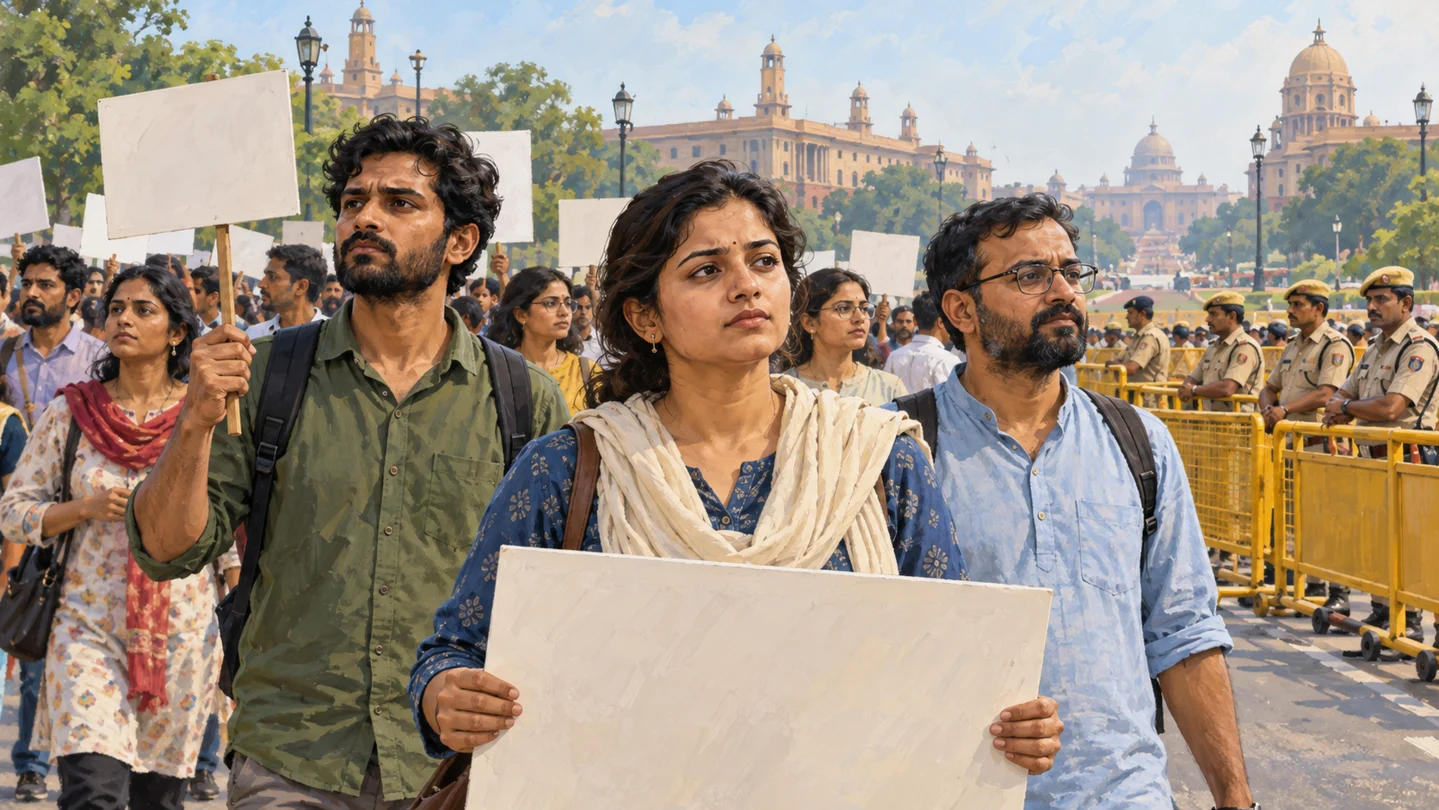
New Delhi, India — Thousands of demonstrators marched to the Supreme Court on October 12 as opposition parties challenged a nationwide revision of electoral rolls, bringing a dispute over who remains registered to vote into the streets and the courts.
Opposition lawmakers and supporters submitted a petition alleging irregularities in the process. They are also demanding the resignation of Chief Election Commissioner Gyanesh Kumar. The Election Commission and Prime Minister Narendra Modi’s Bharatiya Janata Party deny political manipulation, saying the revision removes duplicate and ineligible entries. The Associated Press reported the march and both sides’ positions.
What the court is being asked to examine
The petition seeks an audit of deletions, protection against removing names without notice and a hearing, and an interim nationwide suspension of the revision. Its signatories include Congress leader Rahul Gandhi, according to Reuters’ October 12 report.
Reuters reported that Monday’s march ended peacefully under tight security. Authorities closed six metro stations and restricted traffic.
The petition was expected to be heard on October 13. Filing it does not mean the court has accepted the allegations or ordered the requested suspension.
Why the voter lists are disputed
The verification exercise has removed about 130 million names, according to Election Commission data cited in Reuters’ explainer. The Commission says removals cover people who have died, moved, appeared more than once or could not be traced.
Opposition parties allege that eligible voters, particularly Muslims and other minorities, have been disproportionately affected. The Commission rejects claims of bias and says people incorrectly excluded can seek registration or appeal.
The deletion total is not, by itself, a count of eligible people wrongly denied a vote. The dispute concerns which removals were justified and whether affected citizens had a workable opportunity to challenge them.
Weekend detentions add to the confrontation
Monday’s march followed two days of restrictions and detentions. A Delhi Police spokesperson said 2,400 people were detained on Saturday and most were released that night, Reuters reported on October 11.
Three Cockroach Janta Party leaders were released by court order with an undertaking to maintain peace. Reuters witnessed journalists’ detentions but could not verify alleged assaults on detainees.
The Supreme Court recorded the government’s assurance that journalists and lawyers would not be obstructed while carrying out their duties.
Two competing accounts of the protests
The demonstrations have brought together opposition parties, student groups and supporters of the Cockroach Janta Party. Protesters say the revision threatens voting rights; the Election Commission says it is maintaining accurate rolls. AFP’s reporting describes the demands, the heavy security presence and the Commission’s denial of wrongdoing.
The BJP has separately accused its opponents of discrediting electoral institutions for political gain. That charge, like the opposition’s allegation of manipulation, is a political claim rather than a finding by the court.
The immediate questions are now concrete: whether the court intervenes in the revision, what safeguards it considers necessary, and how authorities handle further demonstrations. The outcome could affect both voter registration and the terms of an increasingly public political dispute.