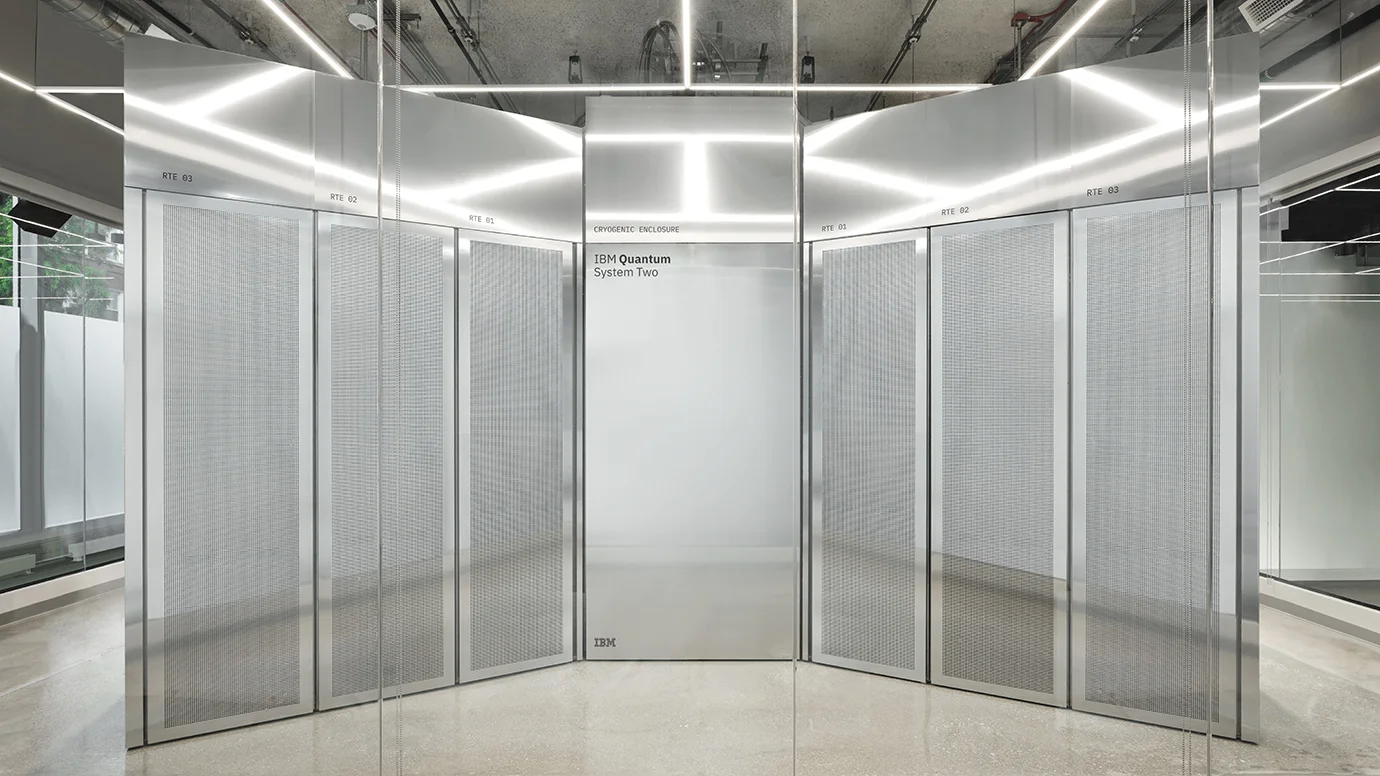
Chicago, Illinois, United States — People walking along Harper Avenue can now look through a window at a working quantum computer. IBM’s Quantum System Two is operating at the University of Chicago’s Hyde Park Labs, bringing an emerging technology into unusually public view.
The machine was unveiled on November 6, according to the university’s announcement. It is IBM’s first quantum computer installed in Illinois and will eventually move to the Illinois Quantum and Microelectronics Park, once that campus is ready.
What will researchers use it for?
The system supports the National Quantum Algorithm Center, where researchers and companies are developing ways to put quantum computing to work. IBM identifies molecular simulation for drug research and optimisation of electricity grids among the projects being explored with partners. Those are research programmes, rather than announcements of new medicines or a transformed power network.
The computer uses IBM’s Nighthawk processor. Its quantum bits, or qubits, allow a different approach to certain calculations from the ordinary bits used in conventional computers. The question researchers are testing is where that approach can deliver a useful, reliable advantage.
A powerful tool with limits
Quantum hardware remains sensitive to noise and errors. As IBM’s explanation of fault tolerance notes, adding more qubits alone does not solve that problem: errors can grow alongside the size of the machine.
Nor is this a replacement for everyday computers. IBM’s educational guidance describes a partnership between the two: conventional systems organise the work and process the results, while the quantum processor handles the quantum operations. A new installation is a step towards testing practical applications, not evidence that every difficult calculation has become easy.
Chicago’s bigger bet
Illinois supported the deployment with a US$25 million grant for equipment and technical preparations, according to the governor’s office. That support covers its installation at Hyde Park Labs and eventual relocation.
The state is betting that research infrastructure will help attract businesses and develop skilled workers. For now, the most tangible result is a machine researchers can use—and neighbours can see from the street.
The wider technology build-out also raises questions about infrastructure and local communities, as explored in our report on Amsterdam’s data-centre protest.