Kumamoto, Japan - Rescue crews are continuing a desperate search for survivors after a powerful magnitude 7.1 earthquake struck Japan's southwestern island of Kyushu, leaving at least 18 people dead, dozens injured and several others still missing as authorities warn that strong aftershocks remain possible.
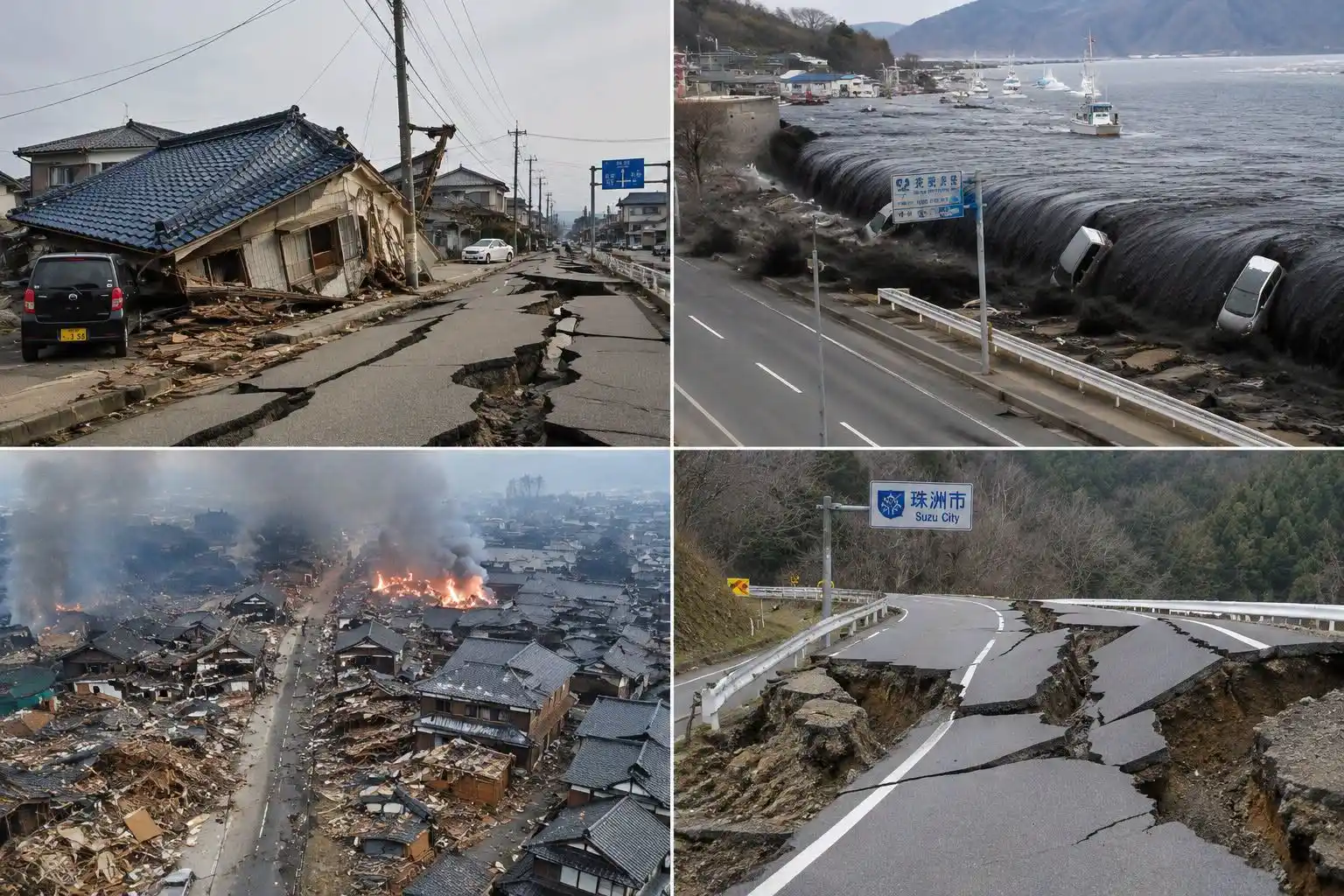
The earthquake struck Tuesday afternoon near Kumamoto Prefecture, producing the strongest level of shaking on Japan's seismic intensity scale in some communities. Buildings collapsed, roads buckled, utilities failed and emergency alerts sent residents rushing from homes, businesses and shopping centres. Although a tsunami advisory was briefly issued, it was later lifted without reports of significant coastal damage.
Much of the rescue effort has focused on two major disaster sites.
At an Aeon shopping mall in Kashima, part of the building collapsed before a powerful explosion, believed to have been caused by a gas leak, ripped through the structure. Thousands of shoppers had already been evacuated, a move authorities believe prevented an even greater tragedy. Rescue workers continue to search unstable sections of the building for anyone still trapped beneath the debris.
Another deadly scene unfolded at a Nippon Paper Industries facility in Yatsushiro, where a towering industrial chimney collapsed during the quake, killing several workers and trapping others. Search teams have worked continuously despite dangerous conditions created by damaged structures and frequent aftershocks.
Japan's Self-Defense Forces, firefighters, police officers and emergency medical teams have been deployed across the region, with thousands of personnel participating in rescue operations. Officials say the priority remains locating survivors while restoring electricity, water and transportation links to affected communities.

The disaster has also disrupted daily life across southern Japan. Tens of thousands of homes lost electricity, water service has been interrupted in several communities, bullet train services were suspended and numerous flights were delayed or cancelled while infrastructure inspections took place. Major manufacturers, including automotive and semiconductor facilities, temporarily halted operations to assess damage and ensure employee safety.
Authorities have urged residents to remain cautious as more than one hundred aftershocks have rattled the region since the initial earthquake. With summer temperatures climbing above 30°C, officials are also concerned about heat-related illnesses among evacuees staying in temporary shelters or sleeping in their vehicles.
For many residents, the earthquake has reopened painful memories of the devastating 2016 Kumamoto earthquakes, which claimed hundreds of lives and caused widespread destruction throughout the prefecture. Portions of the historic Kumamoto Castle once again sustained damage, underscoring the region's long struggle with seismic disasters.
Japan is one of the world's most earthquake-prone nations, sitting along the Pacific Ring of Fire, where several major tectonic plates converge. Strict building codes and sophisticated early-warning systems have dramatically reduced casualties from many earthquakes, but officials caution that even one of the world's best-prepared countries remains vulnerable when powerful tremors strike directly beneath populated areas.
As rescue operations continue, authorities have warned that the death toll could still rise while crews work through unstable rubble in hopes of finding additional survivors. For now, communities across Kumamoto are focused on recovery, sheltering displaced families and supporting emergency workers in what has become one of Japan's deadliest natural disasters of the year.