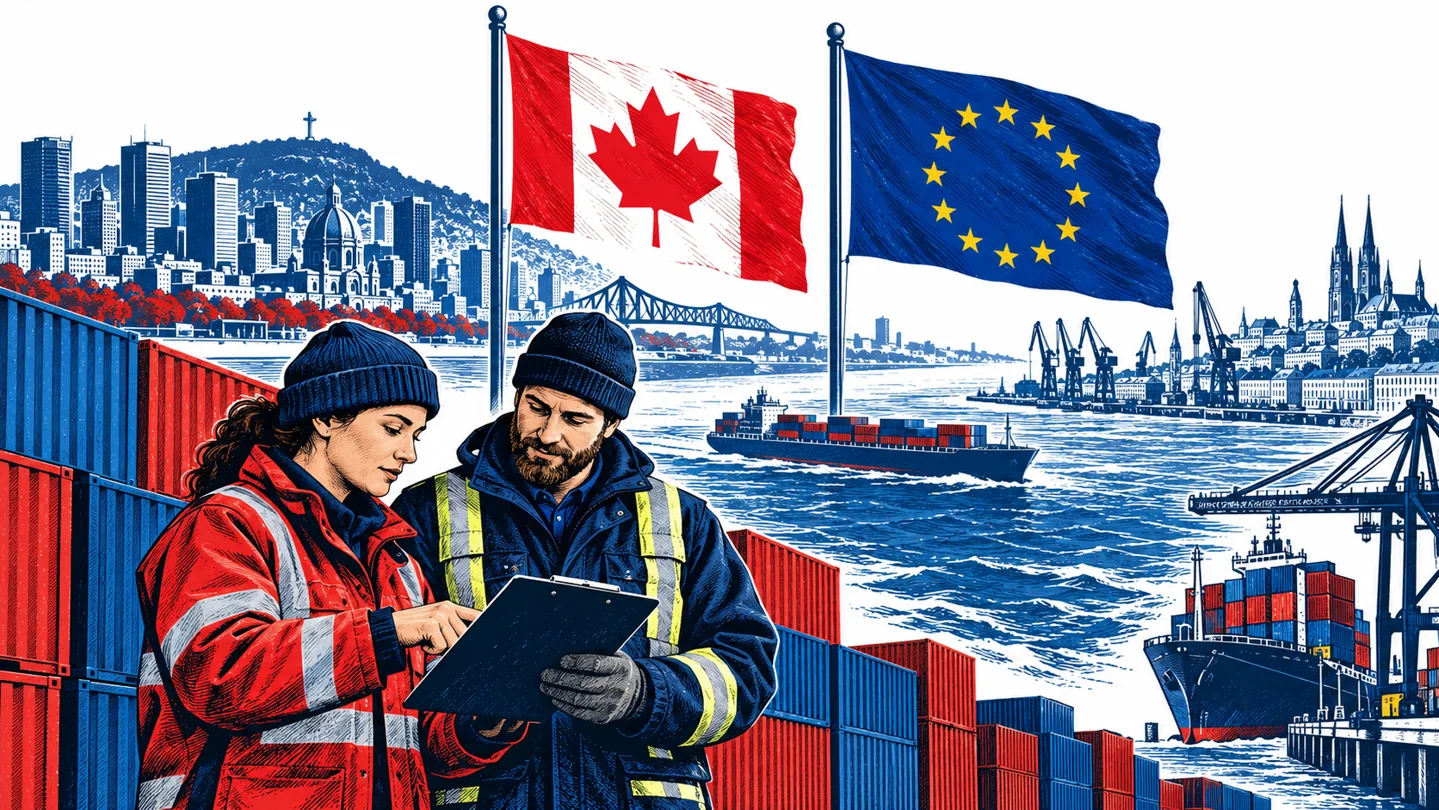
Montreal, QC, Canada — Canada and the European Union are heading into their Montreal summit with an ambitious partnership on the table—and disagreement over what to call it.
Reuters reported on October 28 that a draft joint declaration had dropped the disputed phrase “associate member” in favour of “ever closer association.” The wording matters, but it does not amount to Canada joining the EU, being rejected from the bloc, or receiving a new legal status.
Closer ties, without a membership deal
The October 29–30 gathering brings Prime Minister Mark Carney together with European Council President António Costa and European Commission President Ursula von der Leyen. The Council's published agenda anticipates a broader partnership covering trade, critical minerals, digital cooperation, defence and research. A joint statement is expected at the summit's conclusion.
That distinction is essential: an agenda describes intended work. It does not establish that every proposal has been negotiated, funded or approved.
Von der Leyen's associate-membership proposal raised a larger question about how close a non-European partner could come to the EU. According to Reuters' account of the draft declaration, some member states objected to an undefined concept. Further work on the relationship would continue toward the next summit.
There is already a substantial relationship
This is not a partnership being built from scratch. Canada and the EU already trade under the Comprehensive Economic and Trade Agreement, known as CETA. The Council puts their 2025 trade in goods and services at around €130 billion.
Ottawa's summit announcement presents the two economies as complementary: European manufacturing and research alongside Canadian energy, minerals and technology. It also points to existing security cooperation, including Canada's participation in the EU's SAFE defence-procurement initiative.
For Canada, building other markets offers a way to reduce vulnerability to American trade decisions. For Europe, a reliable partner across the Atlantic could strengthen supply chains and security cooperation. Neither objective makes distance, transport costs or commercial competition disappear.
The wider commercial backdrop is competitive, as our report on Chinese car brands gaining ground in Europe shows. Closer diplomatic ties still have to translate into products and services customers want.
What would make this matter?
The useful test will be practical. Do businesses gain workable access to customers? Do investment proposals become financed projects? Do promises about opportunities for young people turn into clearly defined programmes?
Ottawa says it wants more choice for consumers and more opportunities to live, work and study across the Atlantic. Those are stated goals, rather than new rights readers should assume they already have.
Closer cooperation also leaves questions about costs, regulation and accountability. Governments will have to explain which commitments require legislation, spending or further negotiation.
For now, the realistic story is a substantial effort to deepen an existing relationship. The final declaration—and the decisions that follow it—will say more than the label.