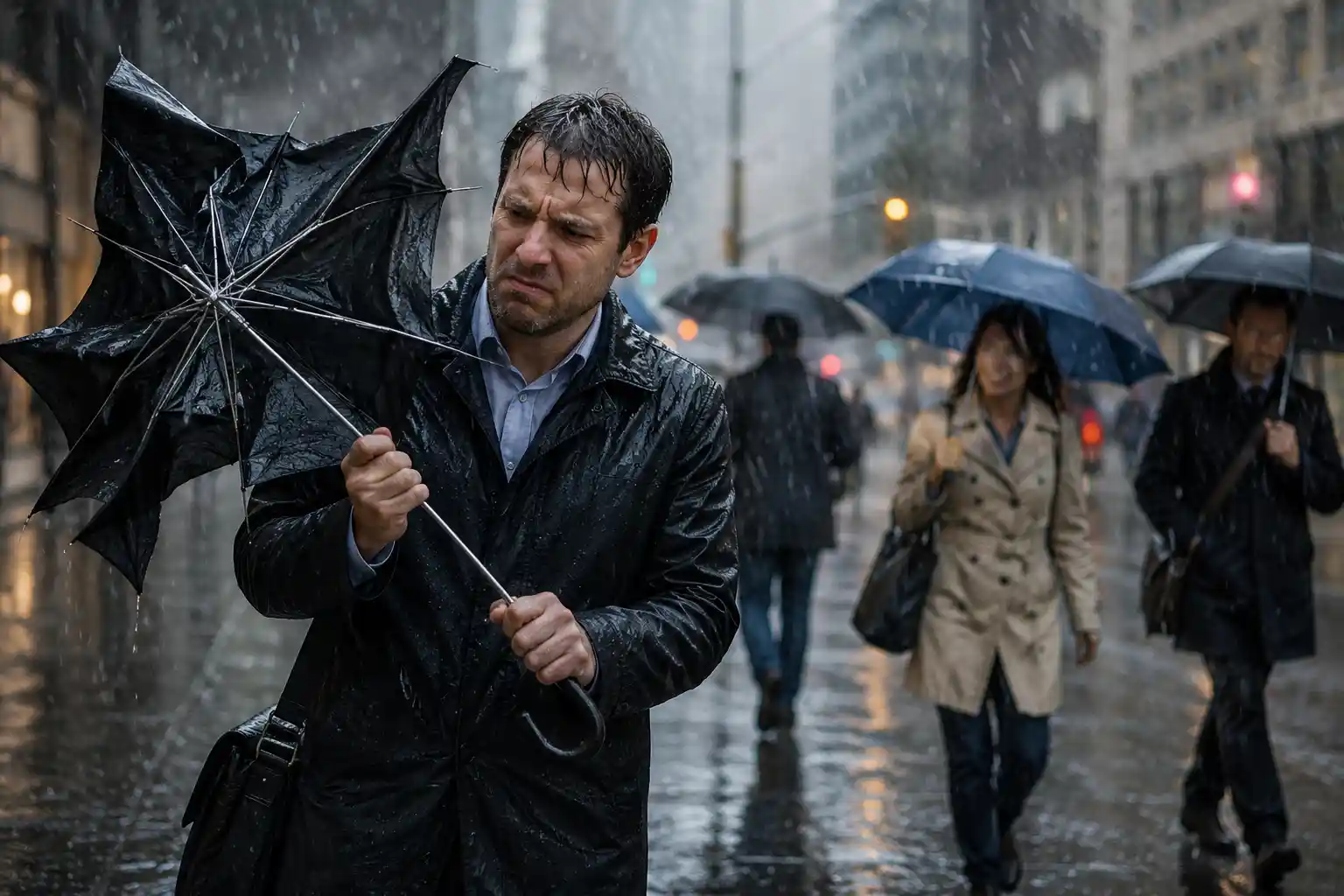
Dallas, Texas - In the generational spotlight, Baby Boomers and Millennials often steal the show. Boomers, optimistic idealists, believe in the promise of progress, while Millennials, digital pioneers, charge forward with boundless energy and a sense of purpose. Meanwhile, Generation X sits in the middle, watching it all unfold with a tired smirk and a sharp sense of humor, quietly muttering, "Oh, come on..."

For Gen X, life has been a rollercoaster of optimism and disillusionment. Born roughly between 1965 and 1980, they grew up in the shadow of the Cold War, experienced the rise of latchkey kids, and developed a self-reliant attitude out of necessity. Yet, the late 1990s and early 2000s felt like their moment. The economy was booming, technology was advancing rapidly, and the world seemed, for a brief time, stable.
The tech revolution, driven in large part by Gen Xers, promised endless opportunities. Careers flourished, mortgages felt achievable, and the future seemed bright. Then came September 11, 2001—a seismic event that shattered the illusion of security. Suddenly, the world felt fragile, unstable, and unpredictable.
As the decade wore on, economic crashes, endless wars, and political polarization followed. By the late 2000s, the optimism of the '90s had been replaced by a growing sense of dread. The 2010s, often seen by Gen X as a "lost decade of darkness," were marked by stagnation, disillusionment, and the creeping realization that no one was coming to fix the mess.
Boomers grew up in a world where hard work paid off, institutions were trusted, and progress felt inevitable. They continue to believe in the arc of history bending toward justice, convinced that things will eventually work out.
Millennials, meanwhile, are fueled by a mix of idealism and activism. Raised to believe they could do anything, they approach challenges with optimism, social media savvy, and a belief in their ability to fix what’s broken.
Gen X, however, sees both sides and feels disconnected from both. To Boomers, they might appear as quiet allies, nodding along to hopeful narratives but not quite sharing the optimism. To Millennials, they can seem cynical or dismissive, uninterested in grand gestures or performative activism.
In reality, Gen X simply doesn’t believe in fairy tales. They’ve watched institutions fail, wars drag on endlessly, and economic crashes destroy security. Their default response isn’t enthusiasm or outrage—it’s a sardonic, "You’ll see."
If Gen X has a defining characteristic, it’s skepticism. While Boomers see flawed but fixable systems and Millennials envision radical change, Gen X sees a system rigged against the average person.
This isn’t pessimism—it’s pragmatism. Gen X knows hope isn’t enough. They’ve spent their lives adapting to chaos, finding ways to move forward without relying on empty promises. Their humor—dark, dry, and weary—is a coping mechanism, a way of making sense of a world that rarely makes sense.
For Gen X, life has been a cycle of optimism followed by disillusionment, hope followed by disappointment. They aren’t defeated—just tired.
The current decade feels like a reckoning. The recent government lock downs exposed deep flaws in global systems and political polarization remains unrelenting. For Gen X, this feels like a final warning: act now or face the consequences forever.
But unlike Boomers, who still believe in progress, or Millennials, who rally behind causes, Gen X approaches this moment with weary resolve. They know change won’t come from grand speeches or viral hashtags—it will come from hard work, tough choices, and facing harsh realities.
Gen X might be quieter than Boomers and less visible than Millennials, but they’re far from irrelevant. They’re the bridge between analog and digital, between idealism and cynicism. They’re leading companies, raising families, and keeping the gears of society turning while other generations argue about who’s to blame.
If Gen X has a mantra, it might be this: "We’ll figure it out. We always do." It’s not flashy or loud, but it’s deeply resilient.
Gen X isn’t waiting for someone to save the day. They’re not expecting the world to suddenly make sense. Instead, they’re finding higher ground, scanning the horizon, and preparing for whatever comes next.
Their tired humor isn’t defeat—it’s survival. And while they might not have much left to say, what they do say carries weight. They’re not shouting from rooftops or rallying in the streets, but if you listen closely, you’ll hear them mutter:
"We’ve been through worse. We’ll figure it out. Just don’t make too much noise while we do it."