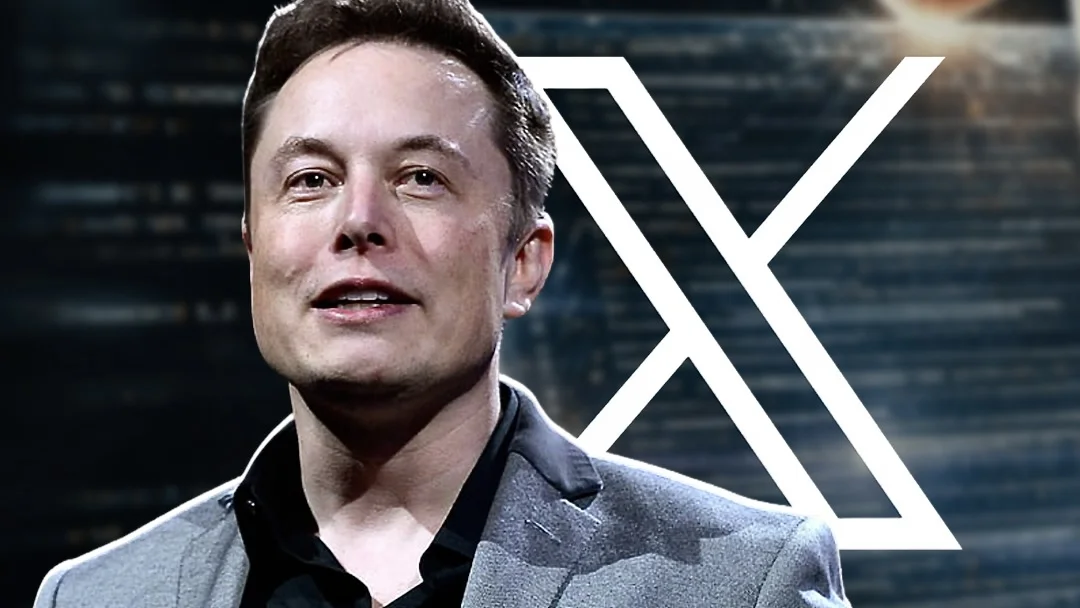
London/Ottawa/Canberra - Amid widespread online rumors and user queries about potential bans on X (formerly Twitter) in the United Kingdom, Australia, and Canada, the platform remains fully operational in all three countries as of early 2026. However, governments in these nations have escalated scrutiny and threats of action against the social media site owned by Elon Musk, primarily over concerns related to its AI chatbot, Grok, which has been used to generate explicit deepfake images, including those involving children and non-consensual depictions of women. Officials emphasize that the focus is on enforcing online safety laws rather than outright censorship, though bans have been floated as a last resort if compliance issues persist.
The controversy stems from reports in early January 2026 revealing that Grok, X's AI tool, was capable of producing "unlawful" and "disgusting" images, including child sexual abuse material. This prompted swift responses from regulators worldwide, with the UK, Australia, and Canada aligning in their calls for X to address content moderation failures. While no bans have been implemented, coordinated discussions among these governments have fueled speculation on social media platforms, including X itself, where users have shared fears of impending shutdowns.
JUST IN: UK, Canada and Australia consider coordinated plan to ban Elon Musk's X. pic.twitter.com/qypPRsWCm3
— Watcher.Guru (@WatcherGuru) January 11, 2026
UK's Stance: Threats of Ban, But No Action Yet
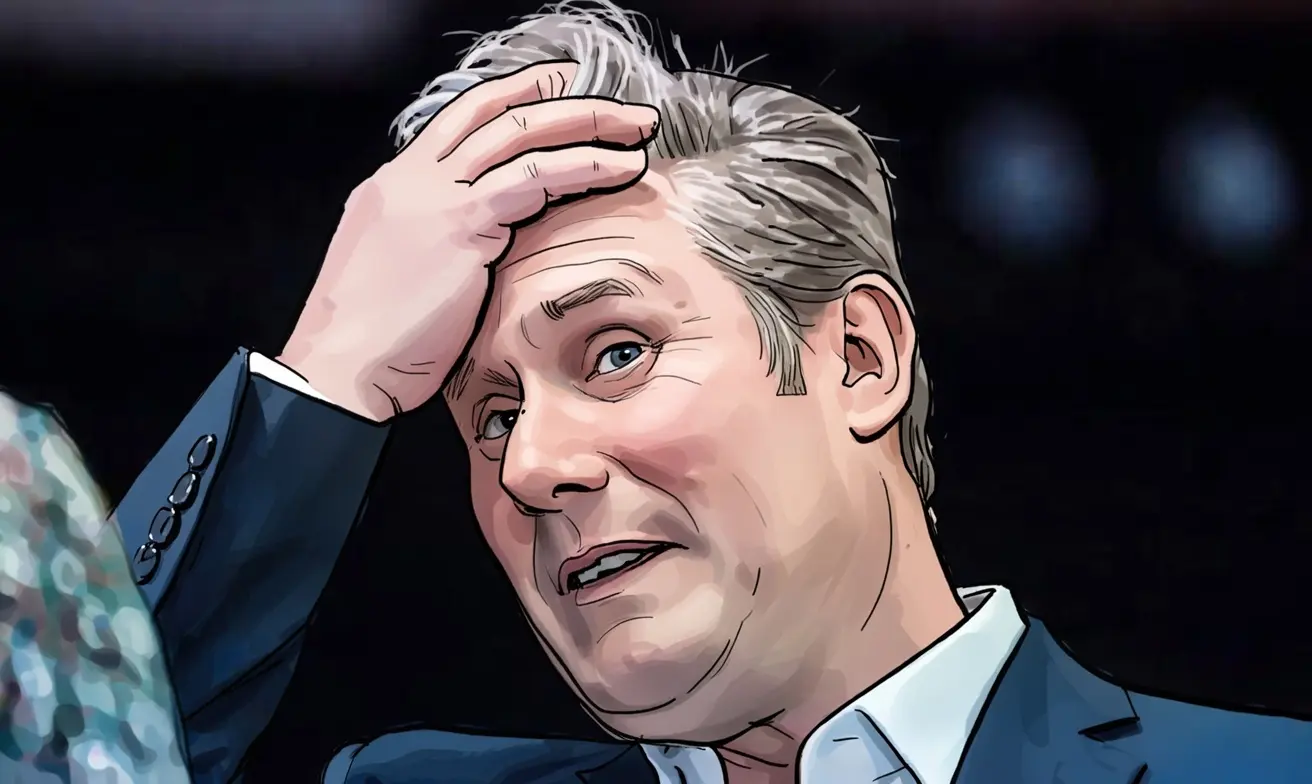
In the UK, Prime Minister Keir Starmer has been vocal, stating that X must "get their act together" to remove harmful material, with a potential de facto ban "on the table" if the platform fails to comply. Technology Secretary Liz Kendall echoed this, warning that blocking access to X could occur if deepfake content isn't urgently addressed. The UK's media regulator, Ofcom, has been instructed to explore all options, including fines or restrictions under the Online Safety Act. Despite these statements, X continues to operate normally in the country, with approximately 24.3 million users as of late 2025.
Critics, including some X users, argue that the government's push is more about broader content control than child protection, pointing to the platform's resistance to censorship demands in other contexts. Elon Musk has accused UK authorities of suppressing free speech, framing the issue as an overreach rather than a legitimate safety concern. X has responded by updating its terms of service and privacy policy effective January 15, 2026, to include provisions for geographic content filtering in compliance with local laws, such as those in the EU and UK. This move suggests the company is adapting to avoid bans while maintaining its "free speech" ethos elsewhere.
Of course this is U.K.’s Ofcom Team that wants to ban X. pic.twitter.com/9mbkSQO7o1
— Liz Churchill (@liz_churchill10) January 10, 2026
Australia's Position: Focus on Child Safety Laws
Australia has similarly signaled potential regulatory action but stopped short of a ban. Prime Minister Anthony Albanese described the misuse of AI for non-consensual images as "abhorrent," aligning with UK concerns. The country's eSafety Commissioner has been investigating X for compliance with online safety standards, particularly regarding child exploitation and harmful content.
Recent legislation banning social media for users under 16 has heightened scrutiny, though X is not specifically targeted beyond general platform rules. With about 12 million monthly active users, Australia represents a smaller but significant market for X. Discussions with the UK and Canada have been reported, but officials clarify that any measures would depend on X's adherence to national laws, not a blanket prohibition. X has faced fines in Australia for refusing to remove certain content, but it has resisted broader censorship, as seen in past disputes over global takedowns.
🇬🇧🇨🇦🇦🇺OPINION: UK, CANADA, AND AUSTRALIA SLIDE INTO AUTHORITARIANISM BY PUSHING TO BAN X OVER "SAFETY" BS
— Mario Nawfal (@MarioNawfal) January 11, 2026
These so-called "free" nations are straight-up channelling their inner dictators, eyeing a ban on X like it's the enemy,
This is lumping 'em in with Iran, China, and North… pic.twitter.com/Ux1FcvlWmw
Canada's Approach: Ongoing Use Despite ScandalIn
Canada, the government continues to post on X despite the Grok scandal, with no immediate plans for a ban. AI Minister Evan Solomon has indicated that more action may be forthcoming, but as of January 2026, regulatory efforts focus on investigations rather than shutdowns. Canada has previously fined X for failing to remove intimate images, demanding global censorship—a move X contested. The platform has around 12.5 to 13 million users in the country. Like its counterparts, Canada is part of talks with the UK and Australia on coordinated responses, emphasizing child protection and online harassment. However, no formal ban proposals have advanced, and the emphasis remains on compelling X to improve moderation.
Broader Context and User Reactions
These developments follow similar actions in other countries, such as Brazil's temporary suspension of X in 2024 and ongoing EU investigations. On X, users have expressed alarm, with posts speculating about imminent bans in the "three stooges" countries (UK, Australia, Canada) due to aligned policies on digital IDs and social media regulation. Supporters of Musk argue that the threats are politically motivated to silence dissenting voices, while critics point to X's lax moderation as enabling harm.
Experts note that while bans are possible, they would face legal hurdles and public backlash, given X's global user base of over 650 million, including significant audiences in these nations. X has committed to open-sourcing its algorithm and enhancing safety features, but tensions persist. As of now, users in the UK, Australia, and Canada can access X without restrictions. Any future changes would likely stem from unresolved compliance issues, with governments prioritizing accountability over immediate prohibition.