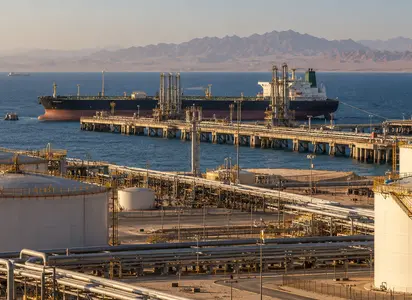
Washington, DC, USA - The fragile diplomatic progress made following the U.S.-Iran ceasefire framework is showing fresh signs of strain, with renewed military activity and growing disagreements over the future of the Strait of Hormuz raising concerns that the crisis is entering a dangerous new phase.
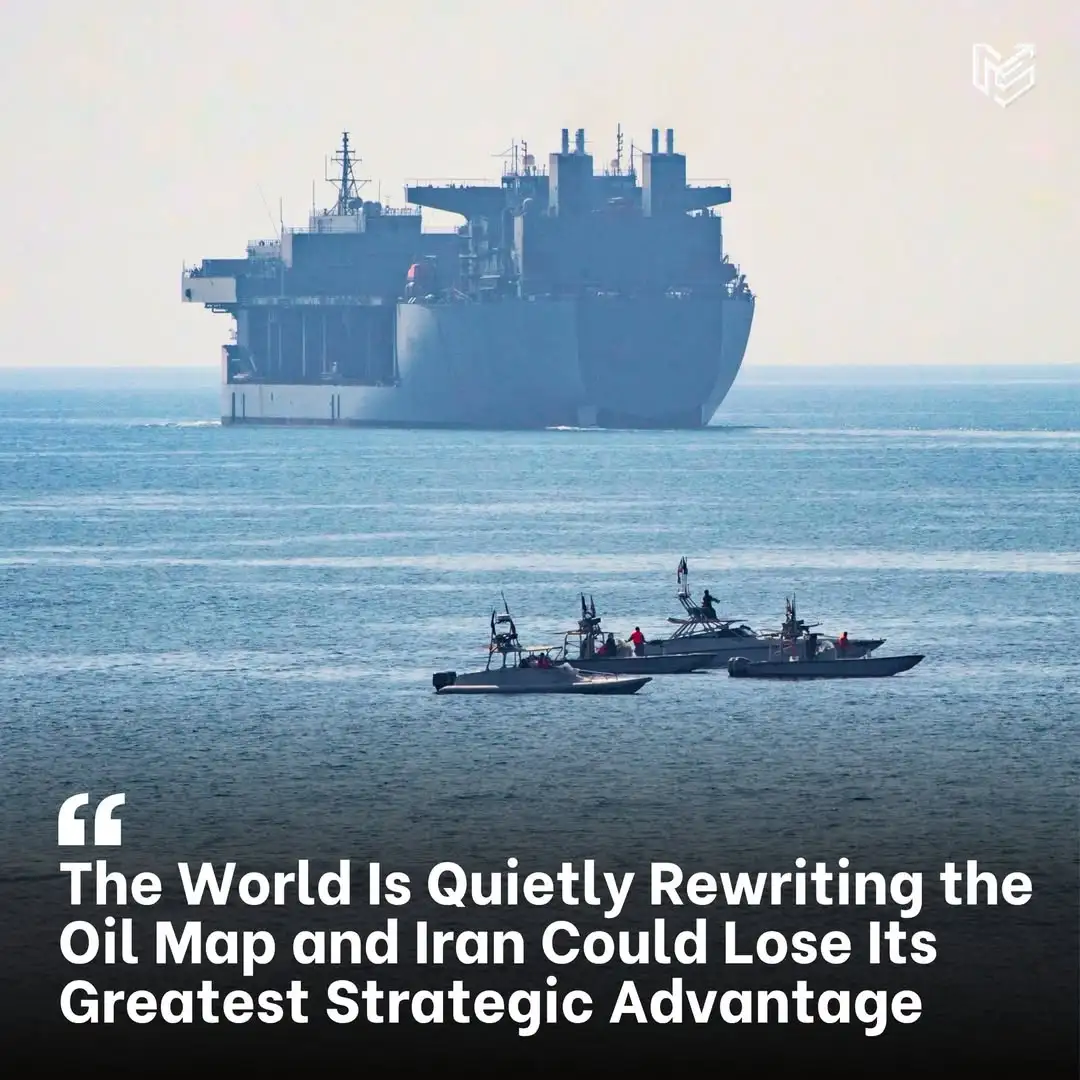
At the center of the dispute is the strategically vital Strait of Hormuz, through which roughly one-fifth of the world's seaborne oil typically passes. Washington continues to insist on unrestricted commercial navigation through the waterway, while Tehran maintains it has the right to oversee security in its territorial waters. Those competing positions have fueled a new round of military exchanges and increasingly hostile rhetoric from both sides.
President Donald Trump has declared that the previous ceasefire memorandum has effectively broken down, accusing Iran of failing to uphold its commitments. Iran, meanwhile, argues that the United States has undermined the agreement through renewed sanctions and other actions, insisting Washington has violated the spirit of the deal first.
The Strait of Hormuz is open to all vessels seeking to lawfully transit the international waterway. U.S. forces are positioned and prepared to ensure that freedom of navigation remains available despite unwarranted Iranian aggression, harassment, threats, and arbitrary… pic.twitter.com/FS3TUBOZEj
— U.S. Central Command (@CENTCOM) July 12, 2026
Despite the escalating tensions, diplomacy has not completely collapsed. U.S. officials continue to say negotiations remain possible, while regional mediators, including Oman, are still attempting to bridge differences over shipping security and broader nuclear issues. No new round of formal talks has yet been scheduled, however, leaving the situation in limbo.
Energy markets remain particularly sensitive to developments in the Gulf. Any prolonged disruption to shipping through the Strait of Hormuz could have significant consequences for global oil supplies and fuel prices, making the waterway one of the world's most closely watched geopolitical flashpoints.
For now, analysts view the conflict as shifting from open warfare toward a prolonged contest of military pressure, economic leverage, and diplomatic maneuvering. While neither side appears eager for a full-scale regional war, the risk of miscalculation remains elevated as both governments seek to strengthen their negotiating positions without appearing to retreat.