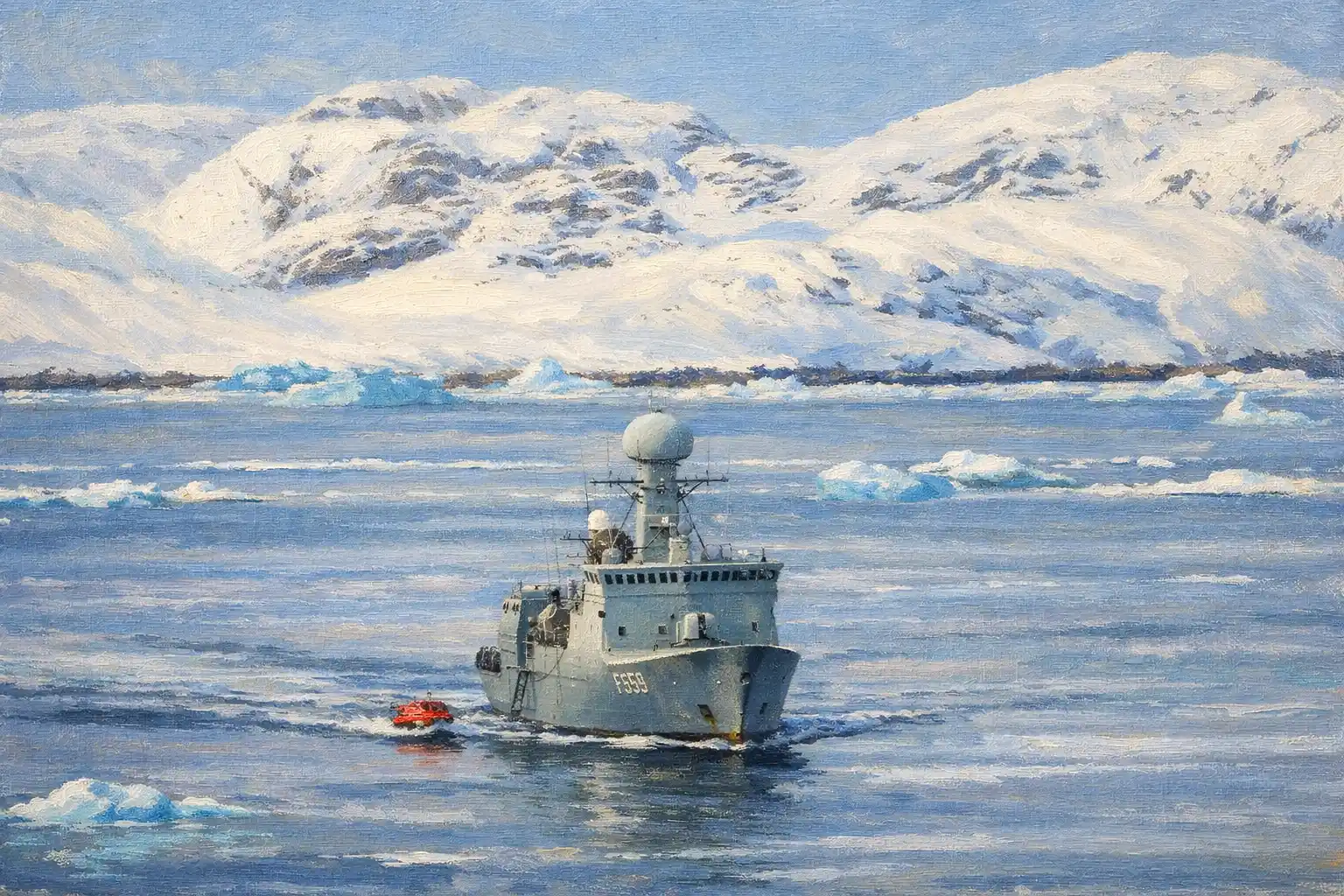
Nuuk, Greenland - Greenland has re-emerged as a major geopolitical tension point after the Trump White House revived (and escalated) its push for the United States to “acquire” the island, including language that European allies see as coercive and destabilizing inside NATO.
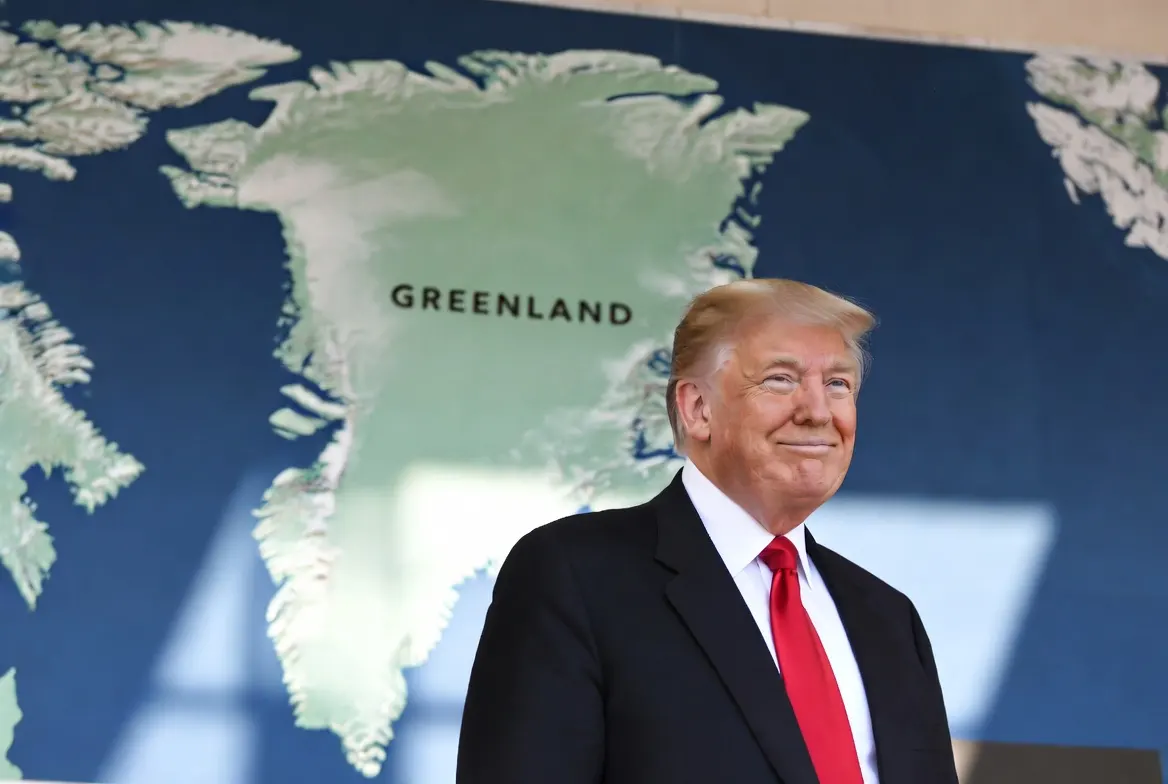
What triggered the latest escalation
Over the past several days:
- President Trump has again argued that U.S. control of Greenland is vital for U.S. security, reviving an idea he floated during his first term.
- The White House has said the U.S. is discussing options to acquire Greenland and that the “U.S. military is always an option.” That phrasing is the accelerant: it turns what might have been an awkward diplomatic story into an alliance-level crisis.
- Denmark and Greenland have asked for urgent talks with U.S. Secretary of State Marco Rubio.
- European leaders (and Canada, per Reuters) have issued a joint pushback emphasizing that Greenland’s future is for Greenlanders and Denmark to decide, and warning that threatening a fellow NATO member undermines the alliance.
Greenland - As viewed from a proper map
— Object Zero (@Object_Zero_) January 6, 2026
Why Greenland? Well because Moscow bases almost all of their strategic military assets on the Kola Peninsula next to Finland. This is where the Russian ICBM silos, submarine bases, and their strategic bombers are.
If you look at the… pic.twitter.com/z6qECCJ3u5
Greenland’s political status in plain English
Greenland is self-governing in many domestic matters, but it is still part of the Kingdom of Denmark, and Denmark handles key areas like foreign and security policy (with Greenland’s own government and parliament playing a growing role and independence remaining a live debate internally).
Greenland’s government has repeatedly said it does not want to become part of the United States.
🚨 JUST IN: Denmark is PANICKING after President Trump insisted the US NEEDS Greenland, and Denmark isn't treating it properly
— Eric Daugherty (@EricLDaugh) January 5, 2026
"We need Greenland! For national security."
"You know what Denmark did to 'boost security?!' Added ONE MORE DOG SLED! It's true!" 😭
"Greenland is… pic.twitter.com/t7lijNpX4J
Why Greenland matters (beyond the headlines)
This story isn’t only about rhetoric. Greenland sits at the intersection of three strategic realities:
1) Military geography (North Atlantic / Arctic defense)
Greenland’s location between North America and Europe makes it central to North Atlantic security, and it hosts key U.S. capabilities (including the long-standing U.S. presence at Pituffik Space Base, formerly Thule), tied to early warning and broader Arctic defense planning.
2) Great-power competition in the Arctic
Washington frames Greenland as essential to countering Russian and Chinese activity in the Arctic. Denmark’s foreign minister has pushed back on claims that Greenland is “plastered with Chinese investments,” while still signaling the U.S. is welcome to invest more.
3) Minerals and supply chains
Greenland’s mineral potential—especially “critical minerals” tied to high-tech manufacturing—has become part of the strategic conversation. Separately from the political dispute, companies are actively advancing rare-earth projects (for example, Reuters-reported updates around the Tanbreez project and offtake talks).
What each side is saying right now
United States (White House / Trump team)
- The administration argues Greenland is a security priority and says multiple acquisition paths are being discussed; the White House has not ruled out military force.
Denmark
- Denmark is treating the rhetoric as serious and has warned that a U.S. takeover would threaten NATO itself; Denmark also points to steps it has taken to strengthen Arctic defense.
Greenland
- Greenland’s prime minister has called for respectful dialogue and Greenland’s government is seeking direct talks with Rubio.
European allies
- A joint statement from major European leaders underscores sovereignty/self-determination and frames Arctic security as something NATO allies should handle collectively—not through threats among members.
The key thing to understand: there are two conversations happening at once
- A security-and-economics conversation (bases, radar/early warning, shipping lanes, minerals, investment).
- A sovereignty-and-alliance conversation (can a NATO leader openly pressure another NATO country’s territory, and what does that do to the alliance’s credibility?).
Right now, the second conversation is dominating because of the “military option” language.
What to watch next (practical indicators)
- Whether Rubio meets Danish and Greenlandic leaders and what tone the U.S. sets afterward.
- Any formal U.S. proposal (purchase concept, a Compact of Free Association framework, security/investment package, etc.) versus continued rhetorical pressure.
- NATO signaling: joint exercises, basing announcements, or alliance statements meant to cool the temperature while reinforcing deterrence.
- Greenland domestic politics: independence sentiment and how Greenland’s leaders position themselves between Denmark, the U.S., and Europe.
Bottom line
Greenland is strategically important enough that serious countries will always care about it. But the current “situation” is less about a sudden new discovery than a sharp rhetorical escalation—one that forces Denmark, Greenland, and Europe to treat what might otherwise be a long-term strategic discussion (defense + minerals + investment) as an immediate alliance stress-test.