Riyadh, Saudi Arabia - The Strait of Hormuz is now the central flashpoint in the Iran crisis. Shipping traffic is reportedly down to a trickle, with Reuters saying only a handful of ships crossed in a recent 24-hour period while the U.S. and Iran remain deadlocked.
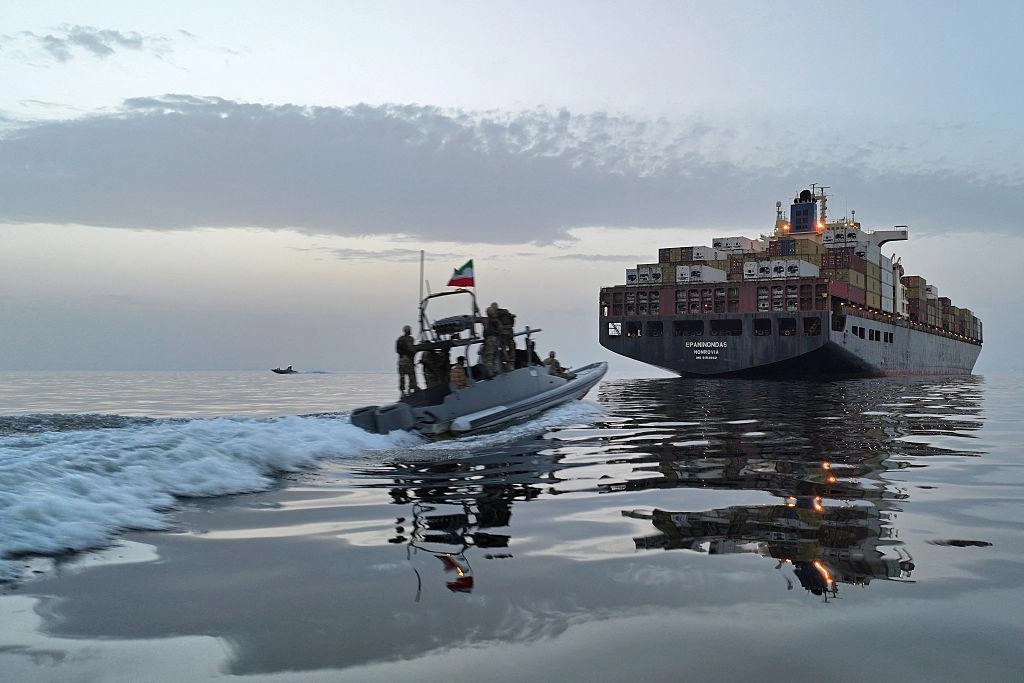
The big issue: dual pressure on the waterway. Iran has restricted passage through Hormuz, while the U.S. has been blockading Iranian oil exports. Reuters reports Iran’s crude exports have been sharply reduced, forcing more oil onto floating storage.
Why it matters: Hormuz is not just another shipping lane. The EIA says about 20 million barrels per day moved through it in 2024, roughly 20% of global petroleum liquids consumption. The IEA says it handles around 25% of global seaborne oil trade and about 19–20% of global LNG trade.
The diplomatic picture is messy. Reuters says Washington is trying to build a new maritime coalition to restore movement through the strait, while France and the UK are also pushing for a multinational security effort.
The market angle is obvious: energy prices are being pulled higher, and Reuters says analysts are now raising oil forecasts because the disruption could last longer than first hoped.
Bottom line: Hormuz is the pressure valve. If it reopens properly, markets breathe. If it stays restricted, oil, LNG, shipping insurance, inflation, and global growth all stay under strain.