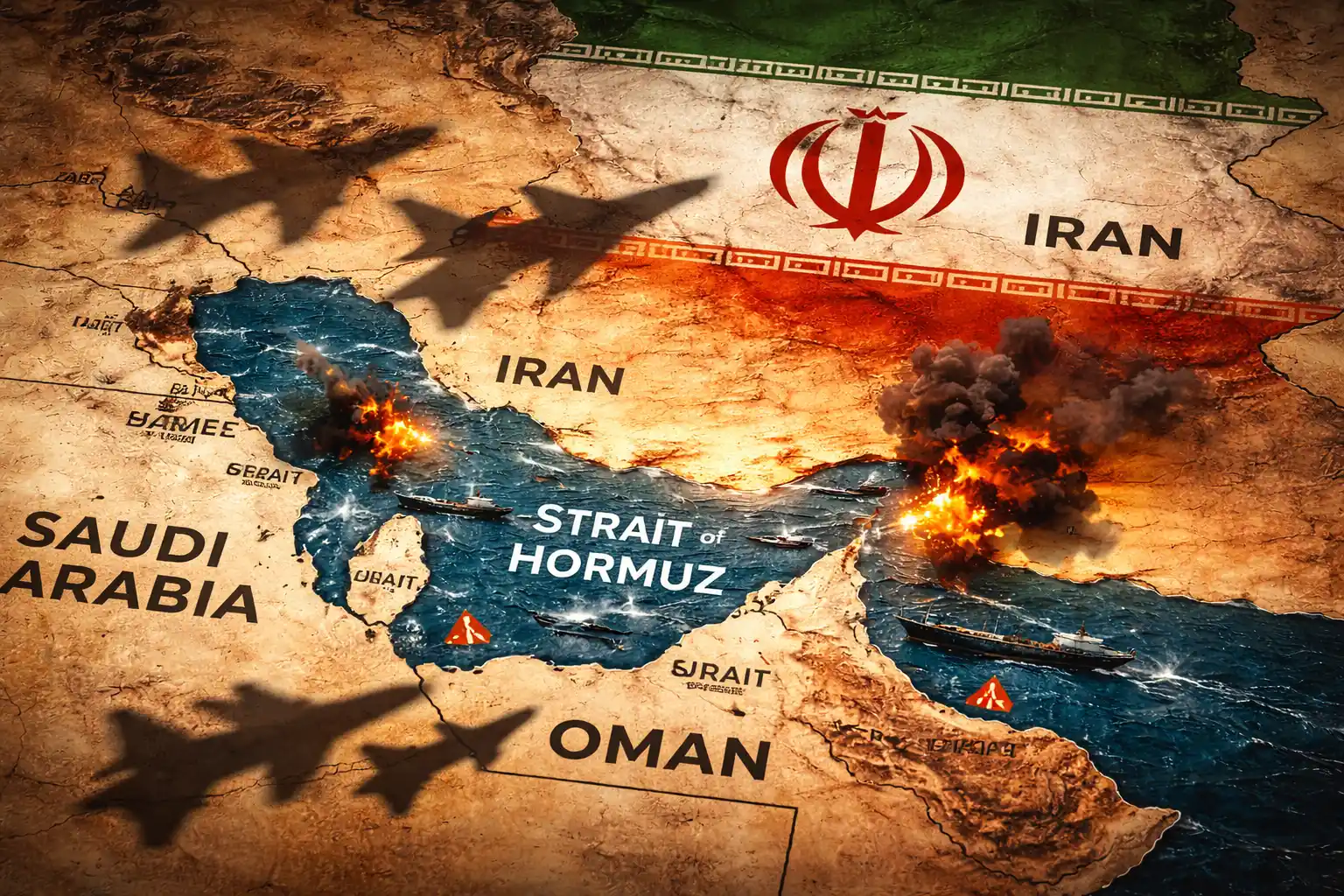
Washington, DC, USA - There’s a question quietly sitting in the background of daily life right now—at gas pumps, in shipping lanes, inside boardrooms, and around kitchen tables:
When will this end… and when will things go back to normal?
More specifically:
When will the Iran conflict wind down—and when will oil and gas prices return to where they were?
It’s a simple question.
The answer is anything but.
When the first strikes were launched in late February, there was an unspoken assumption—especially in the West—that this would be fast, sharp, and decisive.
A show of force.
A correction.
A message sent and received.
But within days, that narrative began to unravel.
Iran responded. Then responded again.
Regional actors stirred.
Shipping lanes tightened.
And suddenly, the world was watching not a “contained operation,” but the early stages of something far more complex.
Now, weeks in, we’re no longer asking what is happening.
We’re asking:
How long does something like this last?
Strip away the politics, the speeches, the positioning—and one thing sits at the core of global concern:
Energy.
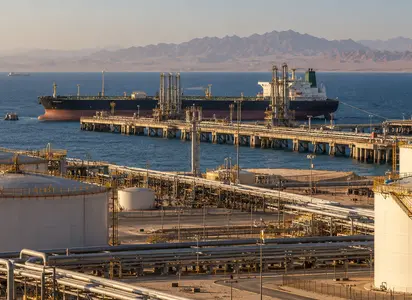
The Strait of Hormuz, one of the most critical chokepoints in the world, has become unstable. Even partial disruption there sends ripples everywhere:
And at the end of that chain?
You. At the pump.
Prices don’t need a full shutdown to move.
They move on risk alone.
That’s the key insight most people miss:
👉 Oil isn’t priced on what’s happening.
👉 It’s priced on what might happen next.
There’s a pattern here that shows up again and again.
When instability hits:
But when things calm down?
So even if the conflict ended tomorrow, prices wouldn’t just snap back.
They would drift back—cautiously.
To understand when this ends—and when prices normalize—you have to look at how conflicts like this typically resolve.
A ceasefire is reached within weeks.
Impact on oil:
Reality check:
Possible. But increasingly unlikely with each passing day.
The conflict drags on for months.
Impact on oil:
This is where we are trending.
The conflict widens.
Impact on oil:
This is the scenario markets are quietly guarding against.
At first glance, it seems simple:
“Just stop fighting.”
But wars like this don’t end when people are tired.
They end when conditions are met.
And right now:
So each side continues—carefully, strategically—without crossing certain lines, but also without backing down.
It becomes a kind of controlled momentum.
And momentum is hard to stop.
There’s something else happening here that doesn’t get talked about enough.
Even if a ceasefire is signed…
Even if the shooting stops…
Even if ships move freely again…
The question remains:
Do you trust that it’s really over?
Markets don’t.
And neither do governments.
That’s why oil doesn’t just fall back to old levels.
Because once risk has been revealed, it doesn’t disappear—it gets remembered.
The honest answer:
No one knows.
But we can frame it realistically:
Here’s the part people really want to know:
Will gas prices go back to where they were?
Not quickly.
Even in the best-case scenario:
In the more likely scenario:
👉 We’re looking at a higher baseline for some time.
There’s a deeper takeaway here.
For years, energy felt stable. Predictable. Almost boring.
But moments like this remind us:
👉 The global system is more fragile than it appears
👉 Stability is often assumed… until it isn’t
👉 And when it breaks, it doesn’t reset overnight
So here we are.
Watching.
Adjusting.
Filling up the tank and noticing the number.
Waiting for headlines that signal something—anything—definitive.
But the reality is:
This isn’t a movie with a clean ending.
It’s a slow-moving situation where the conclusion arrives quietly—
not with a bang, but with a gradual easing that only becomes obvious in hindsight.
The question isn’t just when will this end?
It’s:
When will the world feel stable enough again for things to go back—and will they ever go back the same way?