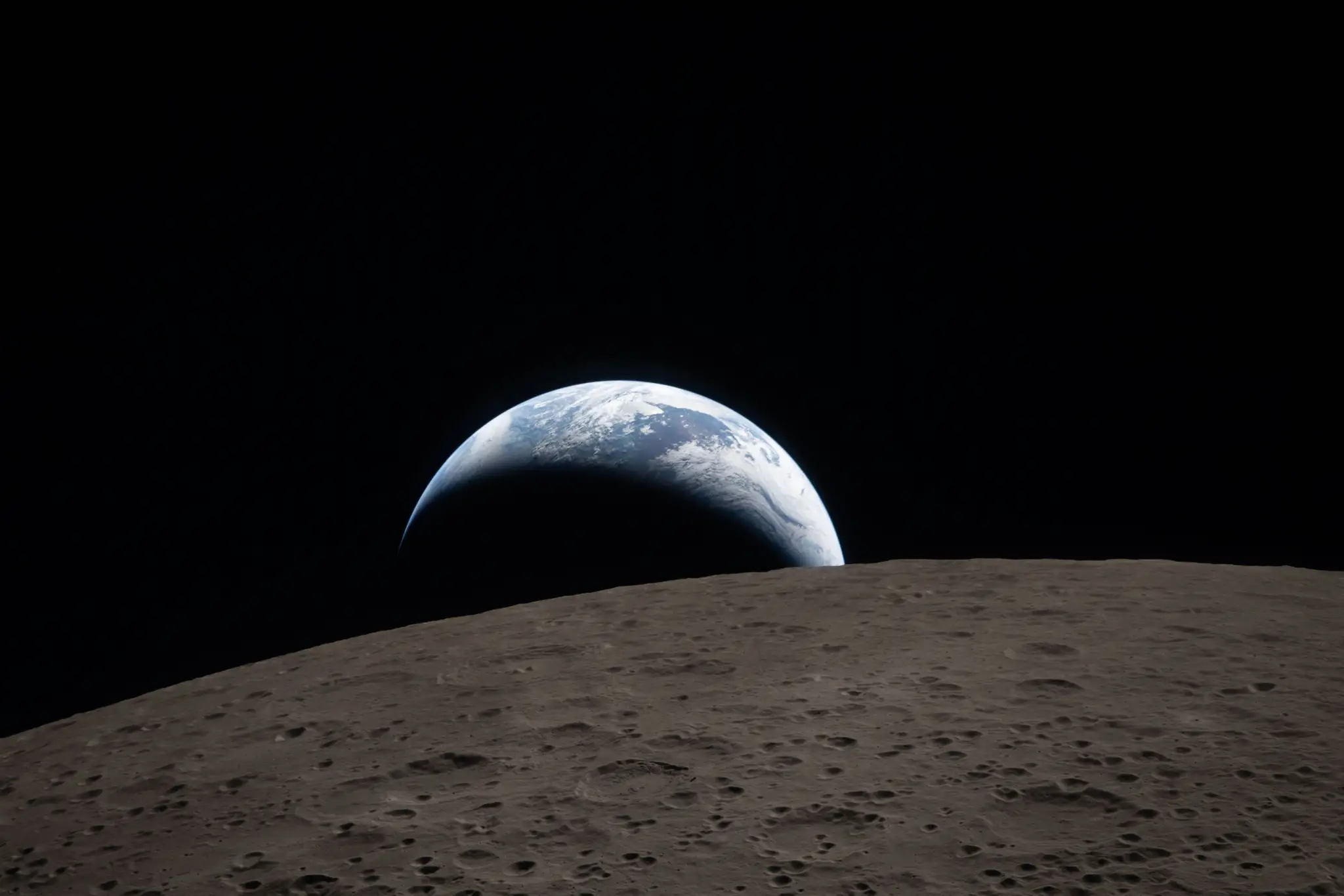
Houston, TX, USA - For most of human history, the far side of the Moon has been exactly that—hidden.
Not mysterious in the fantasy sense, but unknowable in a practical one. From Earth, we never see it. Not even a glimpse. The Moon is tidally locked, always showing us the same face, like a stage actor frozen mid-performance for eternity.
But recently, that changed again—this time with better cameras, sharper intent, and a much different world watching.
A Journey Back—But Not the Same
This wasn’t the first time humanity reached beyond the familiar face of the Moon. Probes have photographed the far side before, and missions like China’s Chang’e program have already landed there.
But this latest mission—equipped with modern imaging, mapping tools, and high-definition video—has given us something we’ve never quite had before:
Clarity.
Not just scientific clarity—but visual clarity. Emotional clarity.
For the first time, people aren’t just hearing about the far side of the Moon.
They’re seeing it.
🚨 BREAKING — THEY MADE IT: The Artemis II crew have safely SPLASHED DOWN off America's West Coast, the reentry went according to plan
— Eric Daugherty (@EricLDaugh) April 11, 2026
They just made HISTORY traveling the further out in space than any human, and have now returned
MASSIVE WIN! 🇺🇸🇺🇸
"SPLASHDOWN CONFIRMED" pic.twitter.com/3TFtVWZd9A
A Landscape That Doesn’t Belong to Us
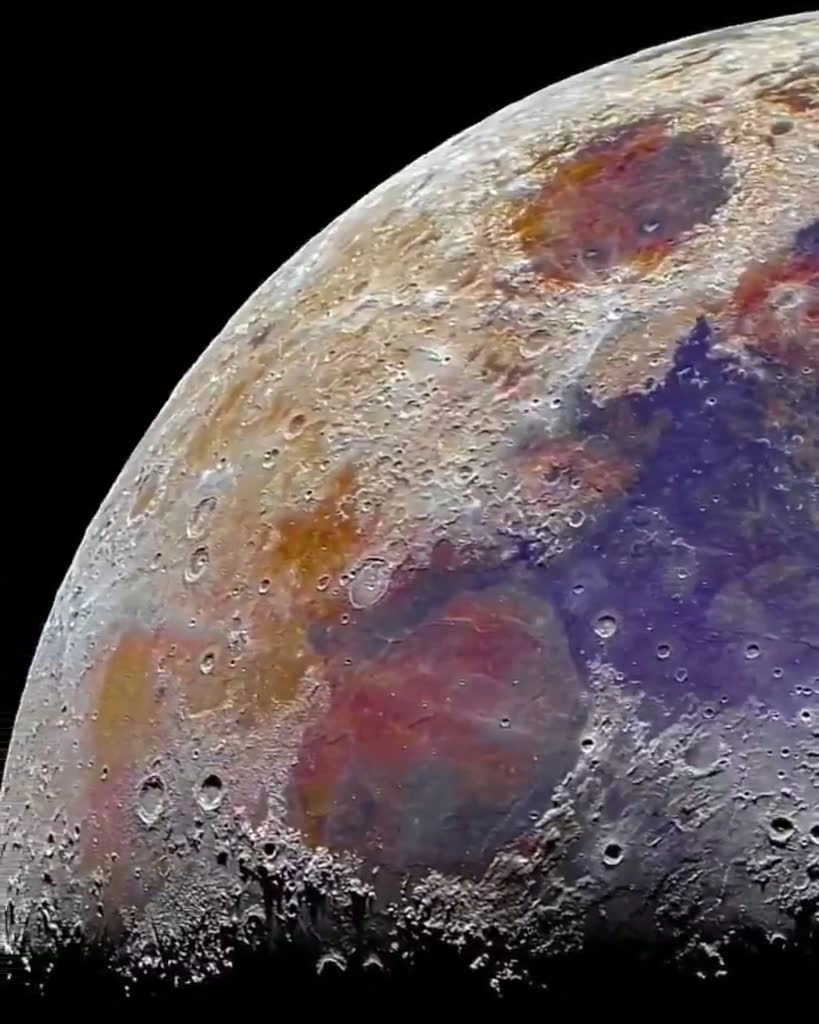
The near side of the Moon—the one we see—has those familiar dark patches, the “seas” (maria), formed by ancient volcanic activity.
The far side?
It’s different.
Heavily cratered. Rugged. Almost chaotic.
No wide, smooth plains. No comforting patterns. Just impact after impact after impact, frozen in time. Billions of years of collisions, untouched, unweathered, unsoftened.
It looks… older.
More raw.
Like a place that never got the chance to heal.
The Silence Is the Story
One of the most striking things observers noted wasn’t just the visuals—it was the feeling.
There is no Earth in the sky from the far side.
No blue marble hanging above the horizon.
No reminder of home.
Just black sky. Endless. Absolute.
That absence changes everything.
Astronauts who orbited the Moon during the Apollo missions described a strange psychological shift when they passed behind it—communications cut off, Earth vanished, and for a brief stretch, they were completely alone in the universe.
Now, with modern footage, that sensation translates—even through a screen.
Why It Matters Now
This isn’t just about pretty pictures.
The far side of the Moon is becoming strategically important:
- It’s shielded from Earth’s radio noise → ideal for deep space telescopes
- It may hold untouched geological history → a record of the early solar system
- It’s being discussed as a potential staging ground for deeper missions
In other words, what was once unreachable is now becoming useful.
And that shift—from mystery to utility—is a pattern humanity knows well.
A Different Kind of Achievement
There was a time when reaching the Moon was about proving something.
Power. Capability. Dominance.
This feels different.
Quieter.
More observational.
Less about planting a flag—and more about understanding where we are.
Because in those images from the far side, there’s no illusion of control.
No sign that this place was ever meant for us.
Just a stark reminder:
We made it there.
But we don’t belong there.
The Takeaway
The far side of the Moon isn’t dramatic in the way Hollywood might want.
There are no explosions. No alien structures. No hidden cities.
What it offers instead is something rarer:
Perspective.
A view of a place that has existed for billions of years without us—and will continue long after.
And somehow, in seeing it more clearly than ever before, we’re reminded of something simple:
We’re still very early in the story.