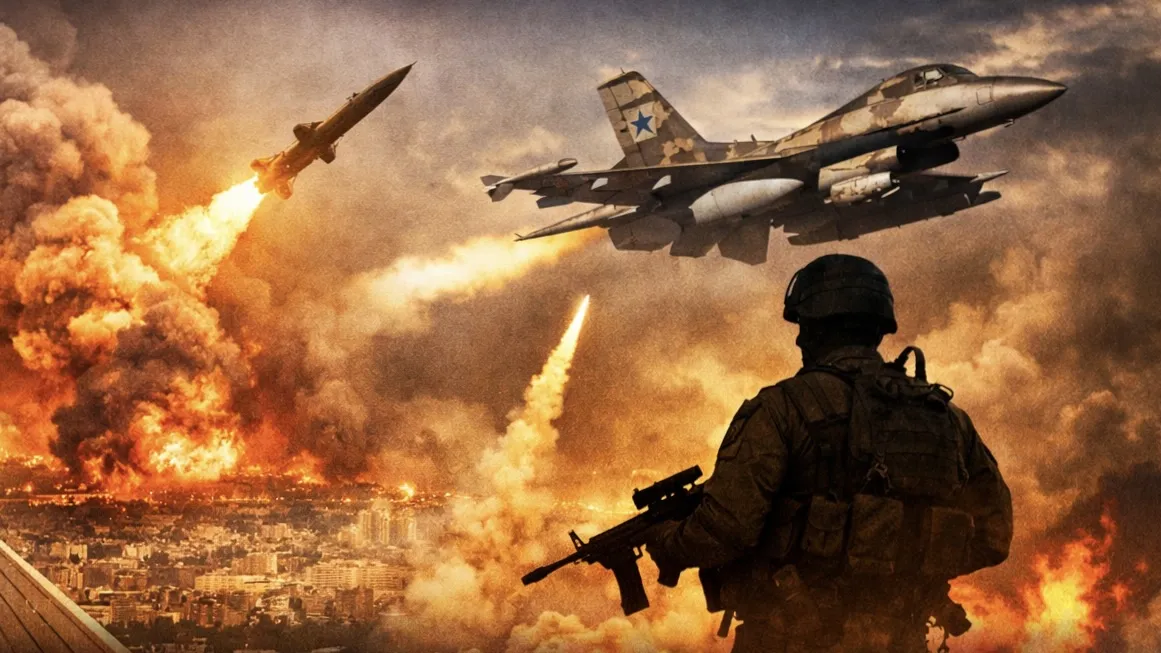
Tehran, Iran - The Middle East is entering one of its most dangerous periods in decades as a rapidly escalating conflict between Iran, Israel and the United States spreads across the region, raising fears of a broader war and major disruptions to global energy markets.
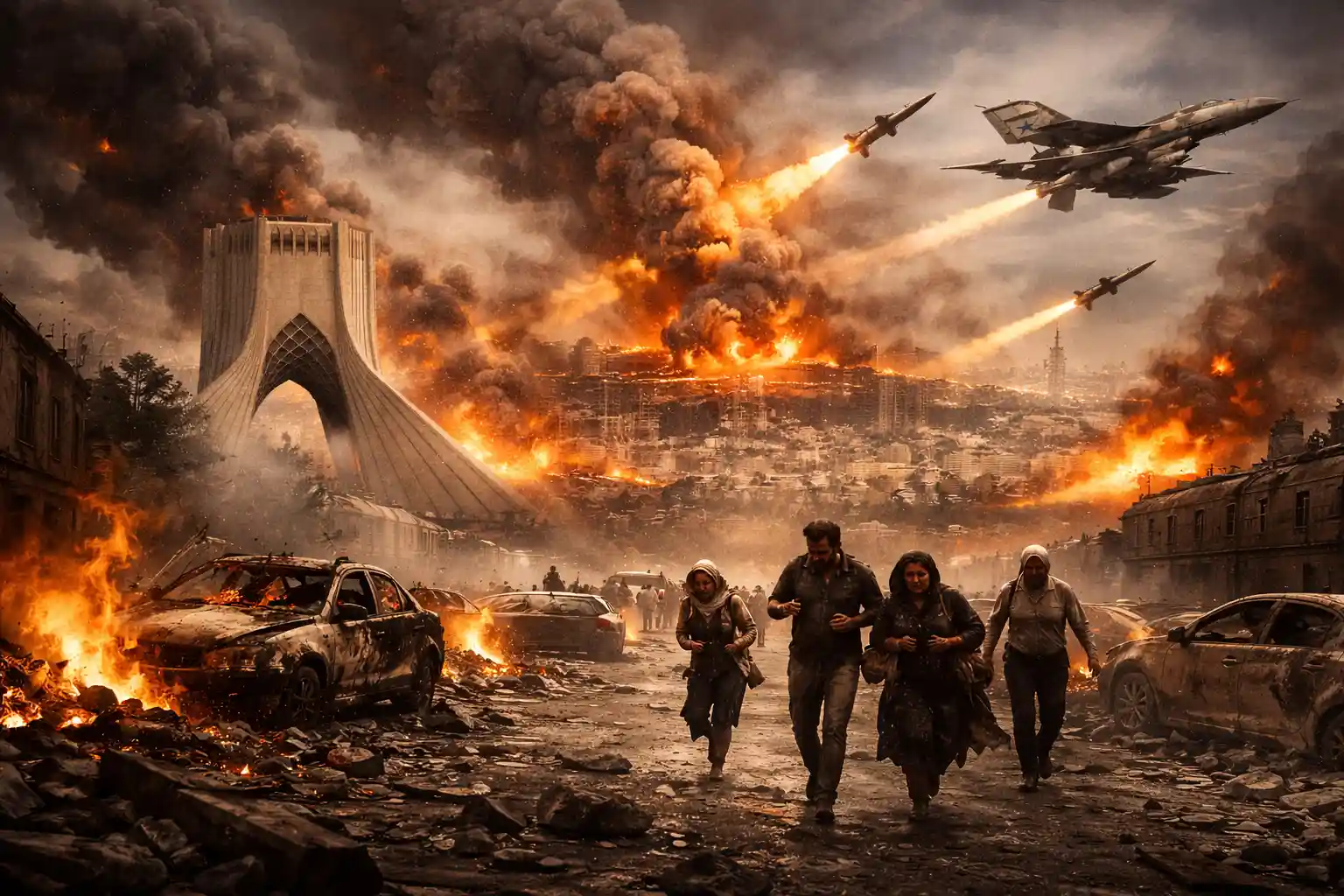
Over the past week, U.S. and Israeli forces have launched extensive airstrikes on Iranian military and government targets, reportedly hitting more than 200 locations in and around Tehran. The strikes have focused on military bases, internal security infrastructure and sites linked to Iran’s missile and nuclear programs.
Iran has responded with waves of missile and drone attacks across the region, including strikes targeting Israel and attacks that have reached neighboring countries and shipping lanes. Some missiles were intercepted by regional defense systems, while others caused damage in multiple locations.
President Donald J. Trump on the United States military combat operations in Iran: pic.twitter.com/LimJmpLkgZ
— The White House (@WhiteHouse) February 28, 2026
Civilian Toll Rising
As the fighting intensifies, humanitarian concerns are growing rapidly.
According to international health officials, more than 1,200 people have already been killed in Iran since the start of the current escalation. Hospitals and medical facilities have also been struck, disrupting emergency services and forcing large numbers of civilians to flee major cities such as Tehran.
Tens of thousands of residents have reportedly left the Iranian capital amid fears that further airstrikes could target key government or military installations.
The destruction of infrastructure and the displacement of civilians has led global humanitarian agencies to warn that the conflict could quickly trigger a regional refugee crisis.
Global Energy Markets Feeling the Shock
The conflict is also beginning to ripple through the global economy.
The Strait of Hormuz — one of the most critical shipping routes for oil and liquefied natural gas — has seen shipping traffic collapse, with daily tanker traffic dropping dramatically as insurers and shipping companies pull vessels from the area.
Nearly one-fifth of the world’s oil supply normally passes through this narrow channel, meaning any prolonged disruption could trigger sustained increases in global energy prices.
China has reportedly opened emergency talks with Tehran in an effort to keep oil shipments moving, highlighting how quickly the war is spilling beyond the Middle East and into global economic policy.
JUST IN: 🇸🇦 Iran strikes Saudi Arabia's Aramco Ras Tanura oil refinery. pic.twitter.com/eTmPGRFAY5
— BRICS News (@BRICSinfo) March 2, 2026
Risk of a Wider Regional War
Military analysts say the conflict is already expanding beyond the immediate participants.
Iran-aligned forces across the region — including groups in Lebanon, Iraq and elsewhere — have begun launching attacks on Israeli or Western targets. In response, the United States and its allies have increased military deployments and missile defenses throughout the Middle East.
Western governments are also evacuating diplomatic personnel and citizens from several regional locations amid fears that the fighting could widen further.
An Already Unstable Iran
The external conflict comes at a moment of deep internal strain for Iran.
The country has been experiencing months of political unrest following widespread protests and violent government crackdowns that left thousands dead or detained. These domestic tensions have weakened the regime internally even as it confronts military pressure from abroad.
Some analysts believe the war could either consolidate the government’s power through nationalist mobilization or further destabilize the country if military losses and economic disruption deepen.
OPERATION EPIC FURY:
— The White House (@WhiteHouse) March 3, 2026
1. Destroy the Iranian regime's missiles
2. Annihilate their Navy
3. Ensure their terrorist proxies can no longer destabilize the world
4. Ensure Iran can NEVER obtain a nuclear weapon
America will win. The terrorist Iranian regime will be defeated. pic.twitter.com/OxirjXAgGH
A Moment of Global Uncertainty
For now, the trajectory of the conflict remains uncertain.
Military operations continue daily, diplomatic efforts have yet to produce a ceasefire framework, and regional powers are preparing for the possibility that the war could stretch far beyond its current boundaries.
With energy markets, shipping routes and global alliances all affected, the unfolding conflict in Iran is quickly becoming one of the most consequential geopolitical crises of the decade.